The Reality of AI in Creative Workflows: What Ad Teams Miss That AI Can’t Replace

AI’s everywhere these days, especially in creative teams. It’s totally reshaping how advertising and digital content gets made.

It speeds up stuff like brainstorming, managing assets, and analyzing how ads perform. That means teams can spend more time on strategy and actual creativity.

But let’s be honest, AI can’t really replace the gut feeling and emotional intelligence that make creative work stand out.

These days, creative workflow software comes packed with AI that streamlines everything, from kicking off projects to reviewing and tweaking the final output.

AI handles the boring, repetitive parts and offers data-backed suggestions. But honestly, it works best as a partner, not as a total replacement for people.

That balance? It’s what keeps creative projects feeling unique and high-quality.

If teams know what AI can and can’t do, they’ll set better expectations when using digital ad creation platforms.

When you use AI thoughtfully, you get more done without losing that essential human spark that really connects with audiences.

Key Takeaways

  • AI speeds up creative workflows by taking care of routine tasks.
  • Human creativity and judgment are still a must in the creative process.
  • The best teams treat AI as a tool that supports, not replaces, creative talent.

What AI Powers in Modern Creative Workflows

AI helps creative teams move faster. It boosts ad performance and lets them make personalized content.
It makes the tools teams use every day smarter, and it helps people work together more smoothly.
This means folks can focus on creativity and strategy, not just the repetitive grind.

AI for Digital Ad Creation and Performance

AI-powered ad platforms crank out visuals, copy, and videos tailored for specific audiences, way faster than humans can.

These platforms scan data and tweak ads on the fly to boost engagement and ROI. For instance, tools like Mid-journey spit out concept art in minutes, while other AI tools adjust ad messaging based on what’s working.
AI takes care of stuff like removing backgrounds, resizing formats, and changing styles. That used to eat up hours of manual work.
Now, marketers can launch campaigns faster and try out different versions without starting from scratch each time.

This makes digital advertising more agile. AI helps with decisions, but creative input still drives the show.

AI-Powered Tools Streamlining Creative Work

Creative workflow software now comes with AI tools that cut out a lot of technical hassle in design and production.

Programs like Runway offer automated video editing, object tracking, and content generation. All of these features save time on repetitive chores.

Creative folks can quickly explore new visual ideas and prototype them fast.

AI jumps in to handle tricky details like lighting tweaks or animation, so people can focus on storytelling and strategy.

When AI and traditional editing software work together, the whole process just feels smoother.

Scaling and Personalizing Content with AI

AI lets teams pump out tons of content versions for different platforms, languages, or cultures, all without starting over each time.

It can tweak visuals, adjust copy tone, or change styles, but the main message stays the same.

That’s a big deal for brands that need to show up in lots of places at once.

With AI automating these adaptations, teams avoid workflow bottlenecks and still deliver personalized experiences.

Being able to quickly produce relevant variations is pretty much a must these days, with everyone chasing hyper-personalization and fast campaign launches.

FeatureAI RoleBenefit
Visual asset generationCreate concepts and refine designsFaster ideation and prototyping
Automation of editsBackground removal, resizing, style changesSaves time and reduces errors
Content variationProduces localized and format-specific versionsEnables effective scaling
Performance optimizationAdjusts ads based on engagement dataImproves ROI and targeting

Enhancing Collaboration within Creative Teams

AI makes it easier for teams to work together by giving everyone a shared place to swap AI-generated drafts and feedback.

That means more transparency and faster decisions.

Creative pros use AI to remix and iterate on ideas together, mixing machine speed with human smarts.

AI tools help designers, editors, and strategists pass work back and forth, keep track of changes, and suggest tweaks.

Since AI cuts down on the manual stuff, teams get to spend more time dreaming up big ideas and less time on coordination.

The result? More innovative content and better teamwork.

Creative Limits: What AI Cannot Replace in the Process

AI tools boost lots of parts of creative workflows, but some things are still out of reach for them.

Original thinking, tough decisions, big-picture idea development, and leadership? Those all need human qualities.

These are the things that give creative work its meaning and impact.

Human Creativity and Original Thought

Humans come up with brand-new ideas that reflect their own experiences and feelings.

AI can only remix stuff it’s already seen. It can’t really invent something that breaks the mold.

Original thinking is what sparks innovation in advertising and design. That’s how you get unique campaigns and memorable brands.

It all comes from intuition, personal insight, and knowing the context.

Without it, work starts to feel stale and generic, since AI just leans on what it’s learned before.

Keeping that human creativity in the mix makes sure work stands out in crowded markets.

Decision-Making and Cultural Judgment

Creative teams need sharp judgment to handle cultural trends, audience sensitivities, and tricky ethical stuff.

AI just doesn’t get the full picture or pick up on the social currents that can make or break a campaign.

Making good decisions takes empathy and a real sense of different perspectives.

Choosing the right tone or image for an ad? That’s all about reading subtle cultural cues and understanding the impact.

Human judgment steers clear of messaging mistakes that could backfire.

It also balances business goals with brand values, something AI just can’t pull off in creative work.

Ideation and Strategic Brainstorming

Brainstorming brings out wild, unexpected ideas. Humans make connections that machines just can’t, since AI is stuck following patterns.

Strategic brainstorming looks at market gaps, brand positioning, and long-term plans. It mixes creativity with business smarts.

That’s the backbone of strong digital ad creation and creative work.

AI can throw out some variations or rough drafts, but it can’t replace team dynamics that turn ideas into solid strategies.

Leadership and Creative Direction

Creative leaders set the vision, motivate teams, and make the calls that move projects from start to finish.

Leadership takes emotional intelligence, which is all about inspiring and managing different talents.

AI can help organize workflows or offer data-driven tips, but it can’t bring the human touch that leadership needs.

A creative director feels out team morale, solves conflicts, and pushes for bold ideas, things only people can do.

That influence shapes the final work and keeps it authentic, especially in advertising and design.

AspectAI CapabilityHuman Advantage
Generating original ideasLimited to combining existing dataInvents new, context-rich concepts
Cultural and ethical judgmentLacks full understanding of nuancesApplies empathy and societal insight
Strategic ideationCan suggest but not innovate completelyDrives long-term brand vision
Leadership and team managementAutomates tasks, recommends decisionsInspires, resolves, and directs

Frequently Asked Questions

AI makes ad targeting and budget planning way quicker by crunching big data sets.

It also helps creative teams whip up multiple content versions to see what sticks.

AI speeds up the workflow, but you still need people for strategy and storytelling.

How does AI actually streamline creative workflows without replacing human input?

AI speeds up tasks like drafting assets, resizing creatives, and organizing versions, but it still relies on human direction for tone, strategy, and final approval. Tools like AdFuse support this balance by giving teams a structured workflow where AI output, human feedback, and version tracking all stay connected.

What limitations does AI still have in creative work?

AI struggles with cultural nuance, emotional judgment, and original thinking. It can suggest ideas but can’t decide what truly fits a brand or audience. That’s why teams still need a reliable system for reviewing, refining, and approving AI-generated content.

How can creative teams use AI without losing their brand’s voice or quality?

The most effective teams pair AI speed with structured human oversight. They use AI to produce drafts and variations, then refine the work through collaborative reviews. Centralized ad workspace makes this workflow smoother by centralizing edits, comments, and approvals, so every asset stays aligned with brand standards as it moves through the process.

Where Creative Teams Go When They Want AI Efficiency Without Losing Their Voice

Creative teams work best when AI speeds up the workflow but doesn’t wash out the human qualities that make campaigns resonate. 

AdFuse helps teams build that balance by organizing assets, structuring feedback, and routing approvals in one clean system. You keep your creative standards while removing the tedious steps that slow projects down. 

With clearer handoffs, fewer bottlenecks, and a shared place for versioning and reviews, teams move from concept to finished work faster without losing the nuance AI can’t replace. If you want a smoother, more dependable creative workflow, learn more about AdFuse.
How Agencies Can Use AI to Produce High Volume Meta Creatives: Turn Ad Bottlenecks Into Winning Campaigns, What Works for Pro Marketers Now

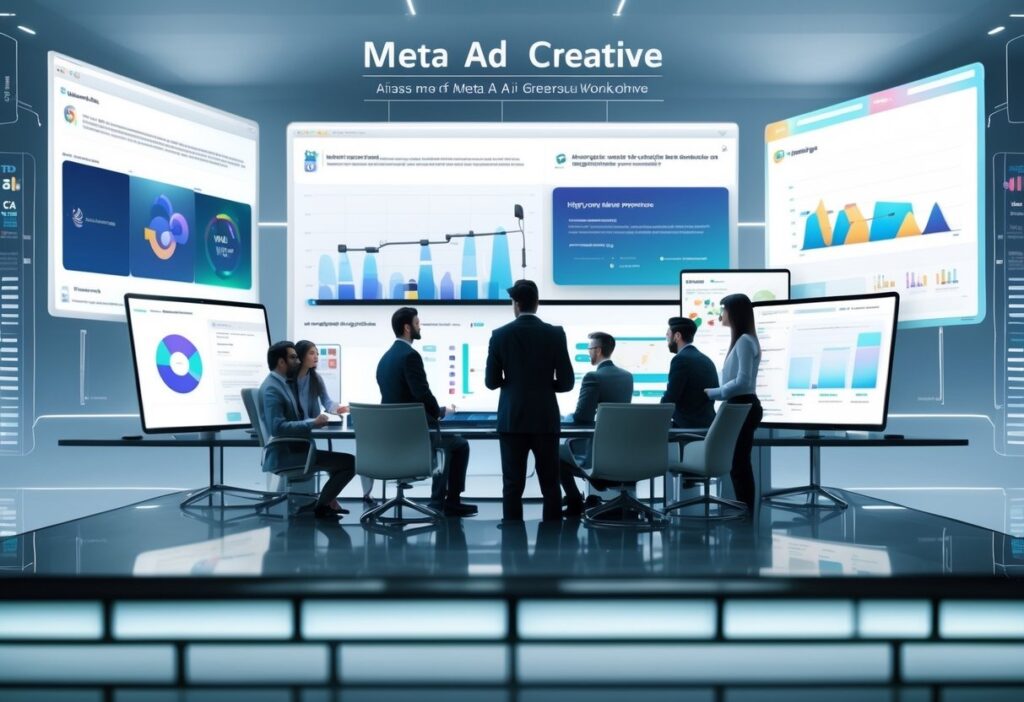
Agencies that run Meta ads have to keep up with the growing need for tons of fresh, engaging content. AI ad generators really help by speeding up creative production. They automate the creation of text, images, and videos for platforms like Facebook and Instagram.

When agencies use AI-powered tools, they crank out more ad variations, way faster. They don’t have to sacrifice quality or relevance to do it, either.

Testing different ad creatives gets a lot easier with AI-driven Meta ad creative testing tools. These tools dig into performance data and tweak content automatically to get better results.

If you combine AI’s speed with a human’s eye for detail, you keep the brand voice on point and make campaigns hit harder.

Agencies can also tap into AI content for ads to personalize messages for different audiences. That means way less manual work and faster campaign launches.

With AI-powered Facebook ad generators, agencies get a productivity and creativity boost. Handling complex, multi-brand campaigns suddenly feels way more doable.

Key Takeaways

  • AI tools let you pump out Meta ad creatives fast and at scale.
  • Automated testing boosts ad performance, but you still keep your brand’s vibe.
  • AI-generated content makes it easier to talk to different audiences without extra hassle.

Leveraging AI Ad Generators for Scalable Meta Ad Creative Production

AI tools help agencies make tons of high-quality Meta ads in less time. They let you create multiple creative options, manage branding, and test content automatically.

This keeps things efficient and makes sure your campaigns stay fresh and relevant.

Automated Bulk Creation: From Single Prompts to Hundreds of Variations

AI ad generators let you start with a single creative prompt and churn out dozens, or even hundreds, of ad variations automatically. That’s a massive time saver compared to doing it all by hand.

It’s a lifesaver for big campaigns that need to reach lots of audiences on different platforms.

With generative AI, you just pop in product images, slogans, and brand colors. The AI spits out different versions with new layouts, text overlays, and calls to action.

You get way more creative options, and you don’t need extra designers.

Automated bulk creation also helps with personalization. AI can tweak content based on viewer data, changing up language or visuals for different demographics.

That makes your campaigns more interesting and more likely to work.

Key Tools: Meta Advantage+ Creative, AdsPolar, Canva Magic Studio, and AdAmigo.ai

A few AI-powered platforms stand out for scaling Meta ad creatives:

  • Meta Advantage+ Creative hooks right into Meta Ads Manager. It uses generative AI to make branded videos and turn images into videos, keeping logos and fonts consistent. You can quickly test new ideas and deliver in different formats.
  • AdsPolar automates creative analysis and generation across social platforms. It learns from data to improve ad performance and makes creative production smoother for Facebook and Instagram.
  • Canva Magic Studio adds AI content generation to a familiar design tool. It’s great for teams that want to mix design and AI-powered content creation without a steep learning curve.
  • AdAmigo.ai focuses on AI-powered creative scaling for Meta ads. It automates content creation and optimization, so agencies can test different versions and get better return on ad spend.

Each tool has its own angle, but together they help agencies get more done with AI and boost creative output for Meta campaigns.

Optimizing Meta Ad Performance Through AI Automation and Testing

AI automation lets agencies do more than just create ads, they can test and optimize them faster, too.

Meta ads creative testing tools use AI to run A/B tests on tons of variations at once. That means you can quickly spot which creatives perform best.

When you pair automated testing with AI-generated ads, agencies can tweak campaigns on the fly, using real-time data. AI even suggests changes to copy, images, or calls to action to help boost engagement and conversions.

Using AI for testing cuts down on manual work and helps teams make decisions faster. Campaigns on Meta Ads Manager become more agile, but you still keep your brand standards.

Agencies that use AI content for ads and Facebook ads generators get more scale with less effort. That leads to more effective campaigns and less stress.

Balancing AI Efficiency With Human Creativity and Brand Voice

AI tools can definitely speed up ad creation, but keeping a strong brand voice and a human feel is still super important.

When you mix automation with real human input, your ads stay consistent and actually mean something. You need to check that brand identity stays intact, even as you crank out more content with AI.

Safeguarding Brand Identity and Consistency in AI-Generated Ads

AI can spit out a bunch of ad variations in no time, but if you don’t keep an eye on it, you might lose your brand’s unique voice. Advertisers should set clear guidelines for tone, style, and messaging so AI tools follow them.

Feeding AI detailed brand assets helps keep everything looking and sounding like you.

Regularly reviewing AI-generated creatives helps you catch mistakes or anything off-brand. Keeping visuals and language consistent builds trust and makes your brand recognizable.

If you skip the human review, your ads could end up sounding generic or disconnected from what your brand stands for.

The Role of Human Oversight in Creative Strategy and Compliance

Human oversight keeps AI’s output on track with your strategy and makes sure you’re not breaking any rules. Teams should set messaging goals and watch over AI’s ad creation to make sure it fits the campaign.

Humans handle the subtle stuff that AI just can’t get, like cultural sensitivity or emotional impact.

You also need people to check for compliance with ad laws and platform policies. Sometimes AI might accidentally make something that’s not allowed or could hurt your reputation.

By reviewing and editing AI-generated ads, your team protects the brand and still gets the speed benefits from automation.

Maximizing Brand Value: Blending Automation With Creative Insight

Brands get the most out of AI when it takes care of repetitive, data-heavy tasks, and humans focus on the creative side. AI can test a bunch of ad copy and visuals to find what works best, fast.

That gives creative teams more time to work on ideas, storytelling, and messages that hit home.

Here’s a quick look at how AI and humans split the work:

TaskAI StrengthsHuman Strengths
Bulk content generationSpeed, scaleBrand voice consistency
Data-driven testingRapid A/B testingStrategic insight
Visual and text editingAutomation of repetitive editsCreativity and emotional depth
Compliance checkingBasic rule enforcementCultural nuance and legal review

When you balance both, you get high-volume campaigns that don’t lose quality or your brand’s personality. That’s how you keep ads efficient but still personal, and actually connect with your audience.

Frequently Asked Questions

Agencies use AI to make a ton of ad variations quickly and save money. AI also helps with targeting and making content better by digging into data.

It speeds up creative testing by coming up with ideas and tweaking ads based on what works.

What are the benefits of using AI for ad generation in marketing agencies?

AI makes it simple to create ad copy, images, and videos. Agencies can produce lots of ad creatives fast, which saves time and resources.

It also helps personalize content for different audience segments using data. That usually means better engagement and maybe even a higher return on ad spend.

How does AI improve the creative testing process for Facebook ads?

AI can whip up tons of ad versions for A/B testing in no time. Agencies can quickly see which elements work best without doing it all by hand.

AI also looks at performance data and suggests ways to make ads better. It speeds up optimization way more than old-school trial and error.

How do agencies integrate AI into their current advertising workflows?

Most agencies start by using AI for brainstorming and first drafts. Then, they polish the AI’s work with their own creativity and brand know-how.

Teams usually roll out AI in small steps, starting with pilot projects to see what works. Over time, AI just becomes part of the regular campaign process.

What are the top-rated AI tools for creating high-quality ad content?

Tool NameFunctionNotable Features
Jasper.aiAd copywritingGenerates ad copy, headlines, and email content
MidjourneyImage generationCreates high-quality visuals using prompts
DescriptVideo editingRemoves filler words, adds effects
AdCreative.aiVisual and copy generationProduces ad variations with performance insights
Meta Advantage+Automated ad creation & testingWorks right inside Meta platforms for Meta ads

Agencies use these tools to crank out tons of fresh creatives, but still keep the quality high and stick to their campaign goals.

If you want to dig deeper, check out Meta’s AI ad generator and their creative testing tools.

Build the Meta-Ready Creative Pipeline That Keeps Up With Demand

Modern Meta campaigns move fast, and agencies need creative workflows that can keep pace. 

AdFuse brings your entire process into one system, so teams can handle briefs, produce variations, track versions, and manage approvals without jumping between tools. 

Assets stay organized, feedback is clear, and every update flows to the right people automatically. 

This removes the bottlenecks that slow Meta creative production and helps teams launch more ads with less manual work. 

If you’re aiming for a smoother, scalable way to manage high-volume Meta creatives, explore how AdFuse supports that workflow here.

How AI Helps Agencies Scale Creative Production and Ad Results Fast Without Extra Hires

Agencies run into bigger creative demands all the time, but they usually don’t have more budget or time to grow their teams. That’s where AI tools for creative production step in, they automate ad design, copywriting, and even workflow management. With these technologies, agencies can scale their creative output fast without bringing on extra hires.

AI-powered creative generators can look at how ads performed in the past and then whip up fresh content that still works. Pair that with agency workflow automation, and you’ll see less manual work, so teams get to focus on strategy and making things awesome.

This combo of human creativity and AI keeps production moving fast, but also keeps results strong.

With AI, agencies juggle more projects using the people and resources they already have. They boost both how much they can make and how good it is.

Smart creative workflow software helps agencies pivot quickly to client needs and market shifts, all while keeping costs in check.

Key Takeaways

  • AI tools help agencies pump out more creative work without hiring new people.
  • Automation makes things more efficient and keeps quality up.
  • Agencies use AI to balance creativity and scalability.

AI-Powered Tools: Scaling Creative Production Without Expanding Your Team

Agencies can boost their creative output without more hires by using AI tools that automate key tasks and keep workflows smooth. These solutions cut down on repetitive stuff and speed up content production, all while sticking to brand standards.

Automating Ad Variations and Copywriting with AI Generators

AI creative generators for ads use machine learning to quickly spit out lots of ad variations. So, agencies can make different Google Ads, social posts, or digital marketing content for all kinds of audiences, without putting in tons of extra hours.

AI ad copy generators write or rewrite headlines, descriptions, and calls to action with just a quick prompt. This speeds up content creation and helps break through the creative bottleneck that comes with making a bunch of ads by hand.

Tools like Notch and other generative AI platforms let agencies test ideas fast by cranking out several versions to see which one lands best.

When agencies automate these tasks, they get to focus on strategy and making things better, not just churning out copy. That saves a lot of production time and lets them make more.

Streamlining Creative Workflows for Maximum Output

Creative workflow software and agency workflow automation cut down on manual handoffs and extra steps. AI brings together tasks like asset management, feedback, and version control into a smoother process.

Automation tools take care of things like renaming files, formatting, and tagging. That way, creative teams can spend more time on ideas and design.

This helps cut delays between coming up with a concept and delivering the final product. It also lowers the chances for mistakes or inconsistent work.

With these smoother workflows, agencies can pump out content faster for different channels, hit their deadlines, and avoid burning out their teams.

Ensuring Brand Consistency and Voice at Scale

Keeping brand consistency matters a lot when you’re making tons of content. AI tools can learn from brand guidelines so ad copy and visuals always match the right style and voice.

This helps agencies dodge the usual problem of brand identity getting watered down in big campaigns. AI workflows let teams make content that fits the brand, even when lots of people or newer team members get involved.

A clear brand voice across Google Ads, social, and other platforms helps build trust and makes marketing work better. AI-driven quality control keeps that on track at scale, without killing creativity.

BenefitDescriptionExample Tools
Faster Ad VariationsGenerate multiple ad copies quicklyNotch, generative AI platforms
Automated CopywritingWrite headlines, CTAs, and descriptionsAI ad copy generators (Copy.ai)
Workflow EfficiencyAutomate asset management & version controlCreative workflow software
Brand ConsistencyAlign content with voice & style guidelinesAI trained on brand manuals

Human Creativity Meets AI: Unlocking Efficiency, Quality, and ROI

AI tools give creative production a boost by making things faster and better, but they don’t replace the human touch. They help agencies keep up with more content requests while making sure the brand voice stays sharp and campaigns hit the mark.

This mix means agencies get more bang for their buck, fast output, but still thoughtful, personalized stories.

Balancing Human Insight with AI-Driven Content

Human creativity still sets the direction for AI tools, making sure content fits brand rules and marketing goals. Marketers decide on tone, voice, and messaging, then AI can generate drafts for ads, video scripts, or social posts.

This keeps things from getting too generic and keeps every campaign feeling unique.

AI takes care of routine stuff like making images or editing video, so creatives can focus on the big ideas. If someone hits a creative wall, AI can toss out some fresh ideas to get things moving again.

Agencies keep client relationships strong by tweaking AI outputs based on feedback, so everything still feels on-brand and right for the audience.

Data-Driven Insights, Personalization, and Competitive Advantage

AI looks at audience insights and performance data to fine-tune content across different channels. This lets agencies make personalized emails, targeted social campaigns, and SEO content that’s actually optimized, all using real-time info.

When agencies use data to guide content strategy, they spot gaps and adjust the content calendar to keep up with demand. That means better engagement and a leg up on the competition, thanks to timely, relevant creative work.

Optimizing Workflow: From Brief to Delivery Across Content Types

AI-powered creative workflow software smooths out every step, from reviewing the creative brief to delivering the final product, no matter if it’s video, animation, or an email sequence.

It automates brand guideline checks and makes sure visual styles and messaging stay consistent.

Tasks like fixing lighting in videos or editing with After Effects happen faster, so agencies save time without letting quality slip.

Agencies manage tons of digital assets more easily, coordinate teams, and automate approvals to keep things moving. This cuts down bottlenecks and helps them deliver marketing content on time.

All this lets creative industries handle big, complex projects while giving people more space to come up with new ideas.

Frequently Asked Questions

AI tools and software tackle specific creative production tasks, from ad design to workflow automation. They help agencies get more done, faster, while keeping costs steady.

That means using smart content generators, better collaboration tools, and systems that keep the brand consistent.

What are the most effective tools for automating creative production in advertising agencies?

AI creative generators for ads and AI ad copy generators get a lot of use. Creative workflow software helps manage tasks and deadlines. Agency workflow automation tools make steps like approvals and asset sharing go quicker. When agencies use these together, they cut down manual work and speed things up.

How does artificial intelligence streamline creative workflows within marketing teams?

AI does the routine stuff, drafting content, doing research, and optimizing output. That frees up team members to focus on strategy and coming up with new ideas. AI also makes it easy to create content in bulk, while still letting teams make custom edits to fit brand rules.

Can AI-driven software significantly reduce the need for additional creative staff?

Absolutely. AI lets agencies do more without hiring extra people. By automating the boring parts and speeding up production, teams can handle more client requests with the same staff. That means faster turnarounds and lower costs, but the quality still holds up.

Where Agencies Go Next When They Want AI Speed Without the Chaos

AI can help agencies scale creative production fast, but the real gains happen when the workflow behind that production is organized, consistent, and easy for teams to manage. 

AdFuse brings intake, creative requests, asset organization, approvals, and version control into one connected process, so agencies can reduce manual steps while keeping quality and brand standards tight. 

Teams move faster, stay aligned, and spend more time on strategy instead of chasing files or feedback. 

If you’re thinking about how to support more creative output without adding headcount, see how AdFuse helps agencies streamline the entire production pipeline.

The Best AI Tools for Ad Agencies in 2025: Agency Insider’s Guide to Maximizing Campaign ROI & Creativity

Ad agencies are feeling the heat these days. Clients want big results, fast, and the work just keeps piling up. 

AI tools have really become a lifeline, picking up the slack on repetitive stuff, cranking out creative ad content, and helping teams get better results without burning out. 

The best AI tools for ad agencies in 2025 mix smart creative features with sharp data insights, so teams work faster, and campaigns hit harder.

These AI solutions cut down on busywork for marketing teams. You get handy features like automated ad design, predictive analytics, and real-time feedback on how things are going.

Creative teams can finally focus on the big-picture strategy and fresh ideas, while AI takes care of content creation and testing. That means agencies can run bigger campaigns and see better ROI, without hiring a bunch more people.

Picking the right AI tools really matters, though. The best platforms help you personalize ads, try out new creative ideas, and fit right into your existing workflow.

Checking out what’s out there keeps agencies ahead of the curve, especially since advertising moves so fast these days.

Key Takeaways

  • AI tools speed up ad creation and campaign optimization.
  • Marketing teams get more time for strategy and creativity.
  • Top AI platforms bring data insights and make personalization easy.

The Essential AI Toolkit for Ad and Marketing Agencies

Advertising and marketing teams rely on focused tools to build campaigns, analyze data, design ads, and automate their workflows. These tools help agencies save time, avoid mistakes, and deliver better results.

Mixing AI with smart integrations is honestly the secret sauce for meeting client needs quickly and effectively.

Top AI Tools for Campaign Creation and Management

AI platforms like HubSpot AI and Mailchimp make campaign management way easier. They handle setup, execution, and optimization across email, social, and search.

HubSpot AI uses lead scoring and predictive analytics so you can target the right prospects. It also picks the best send times and tweaks content for higher open and conversion rates.

Mailchimp brings AI-powered segmentation and personalized messaging, which really boosts audience engagement.

You’ll also find built-in A/B testing and multi-touch attribution reports. This helps agencies see what’s working and make changes fast, without all the manual back-and-forth.

Teams juggling lots of client campaigns can track everything in one place, which cuts down on mistakes and speeds things up.

AI for Data Analysis and Predictive Campaign Performance

Data really drives smart marketing moves now. AI tools dig through big datasets to spot patterns that predict which campaigns will work.

For example, Rows offers spreadsheet-style AI analytics just for marketers. It makes it super easy to track KPIs and forecast results based on past data.

Predictive analytics helps agencies guess how customers will react and spend budgets more wisely. That means less guessing and more conversions.

These tools also give you dashboards with clear numbers, ROI, click-throughs, audience trends, you name it.

When AI handles the data crunching, agencies save hours on reports and can spend more time on strategy. AI insights help teams tweak messaging, channels, and timing so every campaign packs a punch.

Creative Generators and AI Ad Design Tools

AIcreative generators like AdCreative.ai whip up high-converting ad visuals and copy in no time, all based on proven data patterns. You get tons of ad versions fast, so A/B testing isn’t a hassle.

These tools mix image and text generation for platforms like Facebook, Google, and Instagram. They stick to your brand guidelines and color palettes, so everything stays on brand.

That means you don’t have to lean on your in-house designers for every little creative tweak.

Visual tools like Canva AI make graphic design even faster with background removal and magic layouts. Agencies can turn out sharp creatives quickly, with less effort and faster turnaround.

Workflow Automation and Integration Solutions

Automation platforms like Zapier connect your favorite marketing apps and automate all those repetitive tasks. For example, you can set up automatic syncing between your CRM, email, and ad platforms.

Workflow automation saves time on manual entry, approval chains, and reporting. It keeps your data clean and helps you deliver to clients faster.

When you plug AI tools into your existing software, campaign management just gets smoother.

With automation, agencies do more with less, handling more clients without burning out staff. Zapier works with thousands of apps, so it’s a flexible choice for agencies that want a streamlined process.

AI Tool CategoryExample Tool(s)Key Benefits
Campaign ManagementHubSpot AI, MailchimpAutomated targeting, A/B testing
Data Analysis & PredictionRowsReal-time insights, forecast results
Creative Generators & DesignAdCreative.ai, Canva AIFast ad creation, brand consistency
Workflow AutomationZapierIntegrations, task automation

Advanced Tactics: Personalization, Optimization, and Creative Breakthroughs with AI

AI tools now let marketers target audiences more precisely, create smarter content, and manage social media with less hassle. These upgrades help teams deliver personalized campaigns, tweak messages for each platform, and team up with influencers more effectively.

All together, these tricks boost engagement and help ads perform better.

AI-Powered Personalization Strategies for Targeted Campaigns

AI helps marketing teams slice audiences into segments using real-time data, stuff like browsing, purchase history, and engagement. This lets you tailor ads to exactly what users want.

Personalized campaigns feel more relevant because the messaging, offers, and visuals change on the fly.

Machine learning keeps updating customer profiles, so targeting just gets sharper over time. This usually means more conversions and happier customers.

Advanced AI tools also predict the best times and places to send messages.

AI even handles multilingual campaigns, translating while keeping your brand’s voice. Sentiment analysis tools watch how people react, so you can tweak campaigns on the go.

These strategies help agencies spend less on wasted ads and focus on high-value leads.

Content Generation and Repurposing for Multi-Channel Success

AI content generators help teams whip up assets like blog posts, social updates, and emails that match your brand’s vibe. Writing assistants and grammar checkers make sure everything reads well and ranks better in search.

Repurposing content with AI makes campaign rollouts way faster. A long article can become a bunch of social posts or get turned into scripts with text-to-speech or voice cloning.

That way, your message stays consistent everywhere, and your reach goes up.

Content optimization tools track keywords and engagement, so you can keep improving your stuff. This saves time and keeps your marketing fresh.

AI-Driven Social Media Management and Influencer Marketing

AI makes social media management less of a headache by automating post scheduling, monitoring, and performance tracking. Teams get insights into what followers are feeling and when to post for the most engagement.

For influencer marketing, AI finds partners whose followers actually match your target. It checks past results and spots real engagement, not just fake likes.

AI keeps optimizing these partnerships in real time, so you get better results.

Automation also powers customer support on social, with chatbots handling quick questions and freeing up people for tougher problems.

All in all, AI tools make social media work smoother and more results-focused.

Frequently Asked Questions

Ad agencies use all kinds of AI tools to boost ad design, automate creative tasks, and get better campaign results. These tools help teams make better ads faster, pull insights from data, and even create video content with less hassle.

What are the leading AI tools for ad design currently favored by marketing agencies?

AdCreative.ai and Jasper are top picks for making ad visuals and copy. AdCreative.ai is great for making lots of ad versions fast, and Jasper really shines at writing high-quality ad copy.

Zeely is an easy all-in-one mobile platform, perfect for small businesses. For video ads, Pictory turns text into sharp video content quickly.

How are advertising agencies incorporating artificial intelligence into their creative processes?

Agencies use AI to automate things like ad copy and visuals. AI also helps test which creatives will work best, before you even launch.

This frees up marketers to focus on strategy and storytelling, while AI takes care of production and testing at scale.

What free AI platforms are available for enhancing video ad production?

Meta’s AI ad tools, built into Facebook and Instagram, offer free features to upgrade ad text and images. They optimize ads just for Meta’s platforms.

They’re limited to that ecosystem, but it’s a free way to improve video and image ads.

Where AI-Ready Agencies Strengthen Their Creative & Ad Workflows Next

AI tools can boost output, but agencies still need a clear workflow to manage creative requests, approvals, and ad production without slowing down. 

AdFuse brings those steps into one connected system, so teams can organize assets, streamline feedback, reduce manual work, and keep projects moving even as campaigns get more complex. 

Creative and paid media teams stay aligned, version control stays clean, and approvals happen in one place instead of across scattered tools. 

If you’re exploring how to modernize your agency’s workflow, see how AdFuse supports faster, more organized creative and ad pipelines.

Why Marketing Teams Need Integrated Creative and Ads Pipelines

Marketing teams these days feel the pressure to deliver digital ads fast, but they’re juggling a mountain of creative assets across tons of platforms. When you connect asset management, ad creation, and approval in one system, you cut down on delays and mistakes. Without this integration, teams spend way too much time resizing ads or chasing down approvals, which just slows everything down and lets opportunities slip by.

When teams use marketing operations software that handles creative asset management and ad approval, they can actually coordinate better across departments. This kind of workflow keeps the brand consistent and helps everyone move faster by automating boring tasks and putting all communication in one place.

Digital ads keep getting more complicated and personal, so teams really need these tools if they want to stay efficient and keep quality up.

If creative and ad workflows are in sync, teams can react quickly to market shifts and scale campaigns across different channels without much hassle.

This setup also helps protect the brand’s standards and lets teams use data to tweak and improve performance.

With these integrated systems, marketers can spend more time on strategy and creativity instead of fighting workflow headaches.

Key Takeways

  • Integrated pipelines cut down on delays and help launch ad campaigns faster.
  • Centralized tools keep the brand consistent and make teamwork easier.
  • Automation helps teams scale campaigns and react quickly to the market.

The Case for Integrated Creative and Ads Pipelines

Marketing teams now have to deliver faster, more personalized digital ads across a bunch of channels. Streamlining creative operations and managing assets well are key if you want to keep your brand identity while cranking out more work.

When creative workflows match up with marketing strategies, campaigns just feel more cohesive and effective.

Solving the Bottlenecks of Traditional Creative Operations

Traditional creative workflows? They’re slow. Asset versioning drags, and production pipelines are all over the place. Separate teams handle everything from concept to distribution, which leads to delays and mixed signals.

These bottlenecks make it tough to run quick A/B tests or respond to customer data when you need to.

Integrated pipelines cut out a lot of manual work, like making the same ad over and over for Meta or TikTok. Automation speeds up the process, turning days of work into hours.

Creative automation also saves money by cutting down on repetitive stuff, so teams can focus more on quality and fresh ideas.

Unified Creative Asset Management for Ads

Centralized creative asset management gives you one go-to spot for all marketing content. A solid asset library holds brand-approved visuals, fonts, templates, and messaging guidelines.

This setup reduces mistakes and lets you find what you need fast when launching a campaign.

When you throw in ad approval software, teams can track changes and get sign-offs quicker, so things don’t get stuck. Clear version history and workflow status make creative operations way more transparent.

Marketing ops software also helps sync up assets, data, and feedback between creative and media teams.

Aligning Creative Workflows With Integrated Marketing Campaigns

Integrated marketing campaigns really need consistent messaging everywhere. If creative workflows are disconnected, you end up with mixed messages that just confuse people and weaken your brand.

When you link up creative pipelines, teams can line up strategy, content creation, and media placement all at once. This way, campaigns have a unified voice but still fit each platform’s vibe.

Using customer data and market research to guide creative choices leads to ads that actually matter to buyers and fit the whole journey.

Scaling Personalization While Protecting Brand Identity

Personalization is great for engagement, but it adds a ton of complexity for creative teams. If you’re not careful, making lots of custom ads can mess up your brand’s look.

Integrated systems handle this by using automation to apply your logos, fonts, colors, and approved templates to every ad version. That keeps the brand safe while letting you personalize at scale.

Automated versioning keeps assets on-brand even when you’re tweaking them for different audiences.

These tools let marketing teams move faster and test more ideas without losing brand consistency or quality.

Building Efficient Digital Ads Workflows With Modern Tools

Smooth digital ads workflows depend on handling creative assets easily and helping teams work together. Modern tools automate asset adaptation, speed up approvals, and make data-driven decisions easier.

Integrated systems help line up marketing strategy across different channels, keep campaigns consistent, and make it simpler to track performance.

Adapting and Automating Assets at Scale

Automating how you adapt creative assets saves time and keeps the brand looking sharp everywhere. Tools with ready-made templates and design systems make it easier to scale ads for social, email, TV, or print.

Marketers can tweak content for specific buyers or regions without needing to be design pros.

Automation also helps with omnichannel marketing by turning main creative assets into custom versions for digital ads, direct marketing, or social engagement. AI can even suggest on-brand text or image swaps to speed things up and keep everything in line.

This process helps avoid bottlenecks and keeps campaign delivery on track.

Improving Approvals and Cross-Team Collaboration

Integrated marketing ops software brings ad approval into one place, so teams don’t get stuck waiting on emails or chasing people down. Creative teams can set permissions in the design system to protect assets but still let marketers make tweaks for different audiences or A/B tests.

Cloud-based platforms let everyone give real-time feedback so creative, marketing, and PR teams stay in sync. These tools track every step from idea to final approval, which helps keep everyone accountable.

Collaboration tools also help teams working on user-generated content, social, or traditional ads stay on the same page and keep campaigns feeling unified.

Measuring Creative Performance and ROI

Tracking things like click-through rates, conversions, and engagement helps teams see how well their creatives work. Automated reporting tools link with ad platforms to give you instant data on campaign impact.

A/B testing lets marketers compare different creative versions and adjust based on what buyers actually respond to. This way, you can spend your budget smarter and shift strategy for better ROI.

Clear measurement helps teams see which channels and creatives perform best, so they can keep improving marketing workflows.

Future-Proofing Creative Operations With AI and Data

AI upgrades creative automation by giving smart suggestions and predictive analytics. It helps marketers guess what audiences want and personalize content while sticking to brand rules.

AI tools also let teams adapt campaigns fast when trends or markets change. Data-driven insights guide decisions, from content marketing to targeting social channels more effectively.

When teams invest in AI-powered marketing ops software, they combine creative skills with operational efficiency and keep up with the fast-changing world of advertising.

Want more ideas on streamlining marketing workflows? Check out 10 must-have tools for the best digital marketing workflow.

Frequently Asked Questions

Good marketing needs organization across all creative and advertising tasks. Streamlining workflows, controlling assets, and keeping the brand consistent help teams deliver campaigns on time and in sync.

How do integrated creative and ads pipelines enhance marketing effectiveness?

Integrated pipelines move every marketing step smoothly from idea to launch. They cut down on delays and confusion, so teams can get ads out faster and keep messaging unified everywhere.

This setup helps teams work together and keeps projects on track.

What benefits do companies gain by using marketing ops software to manage digital campaigns?

Marketing ops software puts tasks, deadlines, and resources in one spot. It gives teams a clear view of campaign progress and helps spot bottlenecks quickly.

Teams also find it easier to collaborate, make fewer mistakes, and base decisions on real data.

How does creative asset management streamline the production and deployment of ad content?

Creative asset management keeps all files, images, videos, templates in one place. Teams can find, update, and reuse assets fast.

Everyone gets the approved versions, which makes production quicker and keeps things consistent.

Where High-Velocity Teams Take Their Creative-to-Ad Pipeline Next

When your creative and ad production flow live in one connected system, teams stop wasting time on duplicate work, missing files, and scattered feedback. 

Integrated pipelines help marketers move from concept to launch without the usual slowdowns; every request, asset, version, and sign-off stays aligned. 

AdFuse brings these pieces together by centralizing creative assets, organizing review steps, and syncing approvals so campaigns can ship faster and with fewer revisions. 

If you want a smoother path from creative ideas to ready-to-run ads, learn how AdFuse supports a more efficient workflow.

Cross Functional Approval Workflows for Creative & Paid Media Teams: The Proven Shortcut to Faster, Flawless Campaign Sign-Offs

Creative and paid media teams run into some real headaches when they try to coordinate content between different groups. Getting everyone’s feedback and sign-off on marketing materials or social posts can drag projects out way longer than anyone wants. Cross-functional approval workflows pull all the right people into one system, speeding up reviews and helping teams keep quality consistent across every channel.

When teams use a marketing approval workflow built for creative and paid media, they dodge a lot of miscommunication and deadline slip-ups. Automation tools made for agency workflow management cut out manual steps, keep everyone on track, and make it easier to move from draft to final approval.

That means teams get to focus more on building great campaigns instead of chasing down feedback or worrying about who’s seen what.

With a good social media approval tool, everyone can see where content stands, work together in real time, and make decisions faster. These workflows keep things moving, even when the pace is quick, and help campaigns avoid unnecessary slowdowns.

Key Takeaways

  • Good workflows make it easier for different teams to work together.
  • Automation knocks out delays and smooths out feedback.
  • Clear approval systems boost content quality and keep things consistent.

Why Cross-Functional Approval Workflows Matter for Marketing, Creative, and Paid Media Teams

Cross-functional approval workflows really help marketing, creative, and paid media teams stay on the same page. They cut down on project delays, make communication easier, and make sure every piece of content fits the brand before it goes live.

Managing workflows well keeps projects moving and leads to better campaign results.

The Impact of Inefficient Approvals on Campaign Performance

When approval processes get messy, campaign delays and confusion follow. If workflows aren’t clear, teams end up with scattered communication and trouble figuring out what’s approved.

That kind of confusion slows down content approval and can cause missed deadlines.

Delays mess with campaign launches and take the punch out of paid media or social posts. When feedback comes in late, creative teams have to redo work. Marketing teams waste time untangling these issues instead of focusing on strategy.

A solid approval process spells out exactly who needs to approve what and when. Automated workflows cut down on manual follow-ups and give everyone more visibility. Teams deliver campaigns faster and make fewer mistakes this way.

How Collaboration Tools Transform Creative Workflows

Collaboration tools make approval workflows way smoother by putting marketing, creative, and paid media teams all in one spot. They show everyone where approvals stand and make it simple to share assets and feedback.

Teams can check progress in real time and avoid messy email threads or scattered chats. Automated reminders help keep approvals moving, so content doesn’t get stuck.

These tools let multiple stakeholders review and comment at the same time. That makes it easier to reach agreement and move forward. When you plug these tools into your workflow, handing off work from creative to paid media gets a lot easier.

Maintaining Brand Compliance and Version Control

Brand compliance matters a lot for creative and marketing teams. Cross-functional approval workflows make sure every piece of content sticks to brand guidelines before it goes out.

Workflow management tools keep track of all the different drafts and approved versions. That way, teams don’t accidentally work on old files or make unauthorized edits.

Keeping records of approvals and changes lets teams look back and see where something went wrong if needed. This kind of process protects the brand and helps teams follow industry rules and company standards.

For more tips on streamlining approvals, check out streamlining marketing approval workflows.

Building Streamlined Approval Workflows for Multi-Team Campaigns

When several teams work together on marketing campaigns, having a clear process is a must. Good approval workflows help avoid delays and keep things moving.

Using automation, task management, and real-time chat tools bridges gaps between creative, paid media, legal, and compliance folks.

Mapping and Documenting Your Approval Process

To set up a solid approval workflow, teams need to map out each step from content creation to final sign-off. They should figure out who reviews what, what standards they use, and how feedback gets added in.

Writing this process down keeps things transparent and makes onboarding new people easier.

Mapping also shows where different steps depend on each other, like when legal needs to check copy before design wraps up visuals. It highlights bottlenecks and any steps that don’t need to be there.

Teams can use flowcharts or workflow software like Wrike or ProofHub to lay it all out. This documentation sets the stage for automated workflows and approval routing.

Key Features of Marketing and Social Media Approval Tools

Marketing teams lean on approval software to make feedback, revisions, and sign-offs easier. Must-have features include online proofing so people can comment right on creative assets, and markup tools for visual notes.

Customizable workflows let teams set up rules for routing approvals by campaign, budget, or channel. Social media approval tools often connect with content calendars and publishing tools to keep everything on schedule.

Platforms like Filestage, Ziflow, and ReviewStudio offer version control to track changes and keep the brand consistent. Agencies love easy collaboration, asset libraries, and audit trails for compliance.

Automated Notifications and Real-Time Feedback Loops

Automated notifications keep reviewers and approvers in the loop at every step. These alerts remind people about tasks they need to tackle, so things don’t get stuck waiting for someone’s approval.

Real-time feedback loops help teams respond to comments or changes right away. Comment threads keep discussions organized around specific content, making feedback clear and actionable.

Approval workflow tools like Approval Studio and GoVisually send in-app notifications and email alerts. That helps teams keep up the pace and avoid bottlenecks when deadlines are tight.

Multi-Stage Approval, Sign-Off Chains, and Task Dependencies

Big campaigns usually need more than one level of approval, think creative leads, legal, finance, and execs. Approval chains make sure the right order gets followed, so everything meets compliance and budget rules.

Task dependencies handle the order and timing. For example, legal signs off on disclaimers before finance checks the budget.

Workflow automation tools like Wrike and ProofHub let you set up these multi-stage processes with conditional routing.

Tracking the status at each stage shows where things get held up. If approvals stall, escalation features ping higher-level reviewers, so campaigns don’t miss their deadlines.

Popular Approval Workflow Software for Agencies and Marketing Teams

Agencies and marketing teams have tons of options that fit their needs. Some of the top picks:

  • ProofHub: Combines task management, online proofing, and custom workflows.
  • Filestage: Focuses on automated online approvals with version control.
  • Approval Studio: Has markup tools and an easy interface for creative teams.
  • Wipster: Specializes in video content review and real-time feedback.
  • Ziflow: Offers lots of integration options and multi-stage approval routing.
  • GoVisually and ReviewStudio: Make comment threads and sign-offs simple.

These tools make it easier for creative, legal, compliance, and finance teams to work together and get content out the door faster.

Optimizing for Faster Content Delivery and Fewer Bottlenecks

To move campaigns along quickly, teams should set up workflows that automatically route tasks by content type, approval stage, or urgency. Automated approvals for low-risk stuff cut down on manual work, while high-risk items get extra eyes.

Using proofing tools with collision detection keeps multiple reviewers from editing the same file at once, which avoids confusion. Workflow dashboards show task status in real time, so managers can spot bottlenecks fast.

Teams should regularly review and tweak workflows based on feedback and performance data. Platforms like Wrike and Ziflow give you analytics on approval times and bottleneck points, so you can keep improving.

Frequently Asked Questions

Efficient approval workflows need clear roles, simple steps, and tools that make communication easy. Templates should cover the main checkpoints but keep things straightforward. Automation works best with software that handles task routing and notifications, and social media post approvals go smoother with platforms built for reviewing content and tracking versions.

How to design an efficient approval workflow for marketing creative and paid media teams?

Start by mapping out every step from creating content to final approval. Assign clear roles, like who creates, who reviews, and who gives the final sign-off. Set deadlines for each part to keep things moving.

Centralize feedback in one platform so everyone can review and comment on assets together. Use automated reminders and progress tracking to help avoid slowdowns.

What constitutes a good social media content approval template?

A solid template breaks down the main steps: drafting content, internal review, compliance check, and final approval. It should list deadlines and who’s responsible at each step.

Make sure it allows for real-time feedback on posts, images, and videos. Leave room for compliance or legal checks if you need them.

Which features are most important when choosing an approval workflow software?

Go for role-based access so people only see what matters to them. Automated task routing and reminders help keep things on track.

Real-time commenting and markup on creative assets avoid confusion about which version is current. A centralized system for storing approved work makes it easy to find files and keep audit trails.

Turn Your Multi-Team Approvals Into a Workflow That Actually Moves

Cross-team campaigns only move as fast as the system behind them. When approvals live in one place, feedback stays connected to the right version, and every reviewer knows exactly when it’s their turn, creative and paid media teams stop fighting slowdowns and start shipping work on time. 

A clear workflow doesn’t just cut delays, it protects quality, reinforces brand standards, and keeps launches predictable even when multiple teams are involved.

AdFuse helps teams build this kind of structure by centralizing assets, keeping review stages organized, and simplifying sign-offs across creative, marketing, and paid media. 

Ready to tighten your approval flow and reduce campaign friction? Learn how AdFuse can improve your process.

How Top Marketers Build a Scalable Creative Intake & Request System to Cut Chaos & Improve Speed

If you’re on a marketing team, you know how wild things can get without a solid creative intake and request system. When you build a system that actually works, you can capture all project details in one spot and send requests straight to the right people. That streamlines the whole creative workflow. No more digging through emails or losing track of info, just faster project starts and way better teamwork.

When teams use marketing request form software and creative workflow tools, they can juggle all kinds of projects without confusion. These tools make it easier for clients and creatives to talk to each other, and approvals or feedback don’t get lost in the shuffle.

If you set up a system that scales with your needs and helps everyone work together, you’ll keep things running smoothly, even as the workload grows. Honestly, this kind of system becomes the backbone for creative teams who want to move fast and actually get stuff done.

Key Takeaways

  • A clear intake system cuts down on delays and mix-ups in creative projects.
  • Automation sends creative requests right to the right teammates.
  • Workflow tool integration makes it easier to track projects and collaborate.

Key Steps to Designing a Scalable Creative Intake and Request System

You need clear goals and the right tools to build a system that actually scales. First, figure out what your marketing and creative requests really need.

Pick tools that let you set custom fields and collect info in a way that makes sense for your team. Make sure your intake process is smooth and keeps mistakes to a minimum.

Clarifying Marketing and Creative Request Needs

Start by defining what kinds of creative requests your system needs to handle. Is it marketing campaigns, design projects, video production, or something else? Knowing this helps you figure out what info you need for each request.

Clients and internal teams should lay out the project goals, target audience, and what they want delivered. Don’t forget deadlines and budget limits, they matter a lot.

Getting clear up front stops endless back-and-forth and lets creative teams jump in with all the right info. A solid intake process keeps projects moving and makes it easier to prioritize requests.

Selecting Effective Form Builders and Custom Fields

Choosing the right form builder is a big deal. Whether it’s Google Forms, Typeform, or Jotform, each has its own perks, like custom fields or easy workflow integrations.

Go for something that works with your creative workflow software. Custom fields let you capture project details that matter. Dropdowns help with project types, and file uploads make sure you get the right assets.

Make some fields mandatory, like client contacts, project scope, and deadlines. If your form builder supports automation, you can send requests to the right people automatically and speed things up.

Ensuring Seamless Data Collection and Integration

You want data collection to be simple and reliable. The intake system should drop every submission into a central spot the creative team can access.

If you connect your system to marketing request form software or creative collaboration tools, you can trigger review and approval workflows right away. Syncing with project management tools also helps avoid double entry.

Automated notifications and reminders keep everyone in the loop. This keeps projects on track and stops bottlenecks before they start.

Establishing a Streamlined Intake Process

Keep the intake process easy to use and straightforward. The form should walk users through step by step, only asking for what’s really needed.

Add examples or tooltips to help with tricky fields like project objectives. Before rolling it out, test the form and workflow to catch any weird issues.

Set up automation rules so requests get reviewed and assigned based on what they are. That way, nothing gets stuck waiting for someone to notice it.

Using clear communication channels and real-time status updates through your request form software helps everyone stay on the same page and cuts down on endless follow-up emails.

Integrating Creative Workflow and Collaboration Tools for Marketing Teams

When you connect your tools the right way, marketing teams can handle requests, knock out tasks, and get approvals way faster. A connected system keeps things transparent and helps everyone know what’s happening.

This all helps teams create great creative output that actually lines up with the marketing strategy.

Connecting Intake Forms to Project Management Systems

Marketing request form software pulls in detailed briefs and sorts requests neatly. If you hook these forms up to project management platforms like Asana, every request turns into a tracked task right away.

This setup kills manual entry mistakes and keeps things moving. Teams can assign and prioritize tasks faster, and everyone knows who’s doing what and when. Custom fields on intake forms help you grab key info like campaign goals, which makes the whole workflow smoother.

Linking intake forms with project boards gives your team a real-time view of all incoming work. It’s a huge help for making quick decisions and managing resources.

Automating Workflow With Creative Collaboration Software

Creative collaboration software makes it easy for teams to work together on projects in real time. You can share feedback, edit assets, and track progress, all in one place.

Automations can move tasks or ping the team when feedback’s done. Routine steps like review cycles and approval reminders get handled automatically, which clears up bottlenecks.

Version control keeps everyone on the same page, so you don’t end up with five different drafts floating around. If you sync with your CRM, marketing teams can make sure creative work matches up with customer data and campaign goals.

These tools help everyone know their role and deadline. By automating the workflow, teams can focus more on strategy and creativity, not chasing down tasks.

Optimizing Ad Production and Asset Approvals

Creative workflow software built for ad production keeps the whole asset process tight. Teams can work on briefs, handle revisions, and get content approved faster.

You can centralize comments and markups, which means creative approval cycles speed up a lot. Some must-have features:

  • Approval workflows with permissions built in
  • Version history so you can track changes or go back if needed
  • Integration with social or scheduling platforms for direct publishing

When you optimize this process, campaigns don’t stall out because of missing feedback or lost files. Ads get launched faster and still hit the quality bar.

Managing ad production in creative collaboration software keeps everyone in the loop and helps campaigns run smoother.

Frequently Asked Questions

A scalable creative intake and request system should handle different project types, automate workflows, and make it easier for teams to talk to each other. It also needs to support file uploads, route requests properly, and track project progress so things don’t get stuck.

What are the key features to look for in creative workflow software?

Look for automated request routing, real-time collaboration tools, version control, and customizable approval steps. The software should connect with your other tools and give you a clear view of project status.

How can marketing request form software enhance team productivity?

Marketing request form software puts all project info and files in one place, so you’re not drowning in emails. It speeds up project kickoff because clients can send everything you need up front. Automated notifications and task assignments help everyone stay on schedule.

What are the best practices for implementing a creative collaboration software system?

Set up clear workflows and roles before you start. Standardize your intake forms so you always get the info you need. Train the team so everyone’s comfortable with the tools, and test your workflows before rolling them out for real.

Build a Request Flow That Finally Matches the Way Your Team Works

A scalable intake system only works when every request enters your pipeline clearly, cleanly, and with the right context.

When teams know exactly what’s coming in, who owns it, and what needs to happen next, creative work stops feeling chaotic and starts moving with real momentum.

Connecting forms, workflows, and collaboration tools creates the kind of clarity that keeps projects on track, even as the volume grows.

AdFuse supports teams in building that structure by organizing creative requests, centralizing assets, and keeping approvals tight and predictable.

If you’re ready to simplify how work enters your pipeline and flows through it, explore how AdFuse can support your process.

What Modern Marketing Ops Teams Need in 2026: Tools, Workflows, & AI Breakthroughs Ad Pros Can’t Ignore

If you’re running a marketing operations team in 2026, you really can’t get by without efficient software. It needs to handle everything from workflow automation to creative project management.

Success comes from mixing powerful marketing ops software with smooth team collaboration tools and streamlined approval workflows. This combo keeps projects moving, helps teams stay organized, and cuts down on bottlenecks.

The result? Better work, delivered faster.

For both agencies and in-house teams, creative project management tools just aren’t optional anymore. These tools support clear communication, make task tracking easier, and simplify approvals.

When you automate workflows and make approval paths transparent, your team can focus on strategy and creativity instead of drowning in admin work.

With so many tools out there, it gets tricky to know which features actually matter. Data integration, automation, and collaboration top the list.

The right tools don’t just make things efficient, they help you scale and adapt as marketing keeps changing in 2026.

Key Takeaways

  • Efficient software with automation is a must for modern marketing ops.
  • Collaboration and approval tools keep projects on track.
  • Clear workflows cut delays and boost team productivity.

Non-Negotiables for Modern Marketing Ops: Tech, Data, and Automation

The best marketing ops teams lean on strong tech platforms, connected data, and smart automation. These things help with lead management, campaign performance tracking, and better teamwork.

Top Marketing Ops Software: Must-Have Platforms for 2026

Marketing ops teams depend on a handful of key software tools to juggle complex workflows. CRM systems like Salesforce and Pipedrive pull customer data together and track every interaction.

That means you can score and nurture leads more accurately.

Platforms like HubSpot, Marketo, and Salesforce Marketing Cloud take care of campaign management and automate repetitive stuff, think email blasts and social media posts. They help you keep communication steady and boost conversion rates.

Analytics tools like Google Analytics and Tableau give you a clear look at campaign performance and attribution. These are essential for measuring ROI and figuring out what to do next.

Pick software that plays well with others and fits your needs, or you’ll end up with data silos and headaches.

Building a Connected Martech Stack: Integration & Data Hygiene

A connected martech stack lets your tools share data without a hitch. If you skip integration, you’ll deal with messy reports and wasted effort.

Marketing ops teams should look for platforms with open APIs and built-in connectors.

Keeping your data clean matters a ton. That means cleaning up your customer info, following data governance rules, and sticking to privacy laws for first-party data.

Bad data leads to bad targeting, wasted money, and weak campaigns.

Syncing your CRM and marketing automation tools in real time keeps lead info accurate. Data governance frameworks help control access and keep teams on the same page.

Automation, Attribution, and AI: How the Best Teams Thrive

The top marketing ops teams use automation to cut out manual work and speed up campaigns. Automated workflows handle lead scoring, nurturing, and approvals so things don’t get stuck.

Attribution models track which channels actually drive sales. This lets teams spend smarter and improve conversions.

AI is pretty much the norm now in marketing automation. It powers predictive analytics, whips up personalized content, and tweaks campaign performance on the fly.

AI also helps with decision logic, so you can target smarter as things change.

These tools turn marketing ops from task managers into strategic players. They boost efficiency and give you better insights.

If you want to dig in deeper, check out the Ultimate Marketing Ops Tech Stack Guide.

Orchestrating Collaboration and Creative Approval: Making Teams Unstoppable

Teams can’t deliver on time or on brand without efficient collaboration and clear approval steps. Centralizing communication, managing creative projects flexibly, and automating approvals keep everyone moving and focused on the same goals.

Next-Gen Team Collaboration Tools: Real-Time Sync for Results

Modern marketing teams lean on collaboration tools that offer real-time updates, shared feedback, and easy progress tracking. Platforms that combine chat, file sharing, and task management in one spot make life easier.

These tools let everyone see updates as they happen, so teams can react fast and avoid bottlenecks.

Integration with design software like Canva means creatives can work on assets right in the platform. This keeps versions organized and cuts down on confusion.

Dashboards show shared KPIs, making it easier for marketing ops to track performance and pivot quickly.

Creative Project Management for Agencies: Staying Agile & On-Brand

Agencies with lots of clients need flexible systems that still keep brands consistent. Creative project management software brings structure, so teams can make quick edits without dropping quality or compliance.

Teams assign tasks, set deadlines, and track changes with these platforms. Role-based access means brand managers and legal only see what they need to.

Clear milestones tied to deliverables keep projects moving and clients in the loop. Features like in-line comments and asset version control help teams avoid duplicate work and keep the brand voice steady everywhere.

Streamlining the Marketing Approval Workflow: From Brief to Launch

A good approval workflow sets out clear steps, roles, and deadlines. Automated reminders nudge people to stay on track, and centralized platforms collect all feedback in one place.

The usual process goes from content creation to internal review, then brand and legal checks, and finally executive sign-off.

Using a single system, teams keep files organized and make sure every approval gets logged for audits.

This speeds up campaign launches and keeps messaging consistent across channels. If you want more details, check out this marketing approval workflow resource.

Frequently Asked Questions

Marketing ops teams need clear, efficient systems for approvals, teamwork, and staying consistent. The best tools integrate smoothly and can handle more projects as your agency grows.

How do marketing ops teams streamline their approval workflows in 2026?

Teams use automated approval workflows to skip manual steps. These systems track progress, send alerts, and let stakeholders review and approve content quickly.

This keeps campaigns moving and cuts down on delays.

What features are essential for effective collaboration in marketing team tools?

Look for real-time communication, shared calendars, task assignments, and file-sharing. Integration with other marketing platforms and easy access to data help teams work better together.

Clear task tracking makes things more transparent and accountable.

Which creative project management tools offer the best scalability for agencies?

Platforms that support custom workflows and flexible user roles work best for agencies. Scalable, cloud-based tools with strong integrations can handle a bunch of projects and clients at once.

They’re a great fit for growing agencies.

Give Your 2026 Marketing Ops Engine the Workflow It Deserves

As marketing ops teams take on more tools, tighter timelines, and bigger expectations, the teams that win are the ones that keep their workflows clear and connected. 

Strong collaboration, clean data flow, and structured approvals make every campaign move faster without adding extra layers of admin work. 

When your stack works together instead of in pieces, your team stays focused on strategy instead of chasing files or waiting on feedback.

AdFuse supports this shift by centralizing creative assets, keeping approvals organized, and giving marketing ops teams a cleaner path from brief to launch. 

If you’re building a sharper, more efficient workflow for 2026, see how AdFuse can help your team stay ahead.

AI Productivity Tools for Agencies: Fewer Staff, More Output in 2026?

Agencies are feeling the squeeze, tighter budgets, higher expectations. 2026 might just be the year when doing more with less becomes the new normal.

Agencies are leaning hard on AI-driven productivity tools and workflow automation to keep output high, even with smaller teams. These technologies handle the tedious stuff, letting creative folks skip the boring tasks and actually finish projects faster and with fewer mistakes.

AI-powered creative automation is shaking up content creation, so teams get to focus on strategy and big ideas. Agency workflow automation is also smoothing out the bumps by connecting processes and helping departments work together better.

It’s not just about saving money, it’s about working smarter and rolling with changes in government priorities and market trends.

Mixing AI tools with workflow automation lets agencies chase bigger goals without hiring more people. This approach fits with ongoing federal budget shifts and performance requirements.

Key Takeaways

  • Agencies are cranking out more work by using AI and automation, even as teams shrink.
  • Creative AI means content gets made faster and more efficiently.
  • Workflow automation boosts teamwork and helps projects move quicker.

Why 2026 Will Be the Year Agencies Reduce Headcount and Increase Output

In 2026, agencies will probably cut staff but still ramp up productivity. This is mostly because budgets are tight and everyone needs to work smarter.

A lot of agencies are dealing with reductions in force thanks to federal budget cuts and a shifting economy. These cuts push agencies to rethink how they use their teams.

Instead of hiring more, agencies are focusing on workforce density. Basically, they want each team member to do more by matching skills to tasks better.

Adopting AI productivity tools, creative automation, and workflow automation will drive these productivity gains. Agencies can get more done without adding staff.

Here’s what agencies get out of it:

  • Projects get delivered faster
  • Fewer boring, repetitive tasks
  • People actually use their skills where it matters

AI will help creative teams handle routine design and content work. This gives humans more space for tricky or strategic work.

Check out how the old way stacks up to the new 2026 approach:

Old Model2026 Model
Increase headcountImprove skill alignment
Focus on adding rolesFocus on capability and output
Longer project timelinesFaster delivery times
Higher payroll costsSmarter resource management

Data keeps showing that just hiring more people doesn’t guarantee better results. Agencies that want to stay ahead will focus on quality, not just numbers.

For more details, you can check workforce changes in the 2026 federal budget.

AI Productivity Tools for Agencies

AI productivity tools let agencies do way more with fewer people. These tools take care of repetitive stuff, so creative teams can focus on projects that actually matter. With AI, content creation, data analysis, and project management all speed up, no drop in quality.

Creative automation uses AI to whip up visuals, copy, and even video edits in no time. It saves manual effort and keeps everything on-brand. AI tools can suggest design tweaks or spit out several versions of an asset in minutes.

Workflow automation powered by AI keeps projects moving by handling scheduling, approvals, and reporting. It reduces human mistakes and delays. Teams work together more easily because AI coordinates tasks and tracks progress live.

Here’s a quick look at common AI productivity tools in agencies:

Tool TypePurposeBenefit
Creative AutomationGenerate designs, videos, copyFaster content production
Workflow AutomationManage tasks, approvalsImproved project efficiency
Data Analysis ToolsAnalyze customer and campaign dataBetter decision-making
AI AssistantsSupport communication, schedulingSave time on routine work

Agencies are jumping on these AI tools in 2026 to get more done with less. This shift means more output and more focus on creative work. If you want to dig deeper, check out Strategic Predictions for 2026.

Creative Automation AI for Creative Teams

AI-driven creative automation lets agencies speed up production and keep things consistent, without sacrificing quality. It changes how teams brainstorm, draft, and finish content by automating the boring parts and boosting creative choices.

This tech adapts to brand rules and audience needs, so teams can create faster and personalize more. The tools cut down on manual work and open up time for bigger-picture thinking.

Benefits of Automation for Agencies

Automation slashes repetitive tasks like resizing images, formatting, or generating copy versions. Turnaround times drop and production costs go down.

AI tools keep brand consistency across channels by sticking to preset styles and voice. This means fewer mistakes and a more unified message.

Teams can juggle more projects at once because automation handles routine tasks. So, agencies can scale up without hiring more people.

Some standout benefits:

  • Speed: Content gets made in hours, not days.
  • Accuracy: Automated checks catch errors early.
  • Cost efficiency: Less manual work means more savings.
  • Consistency: Brand standards stay tight, even at scale.

These perks let teams focus on creative ideas and working with clients, not just ticking boxes.

Implementing AI in Creative Workflows

To get AI working for you, start by spotting repetitive steps that eat up creative time. Then, pick AI platforms that fit your process and handle those tasks.

Training the team is a must. People need to know how to guide AI tools and check the results to keep quality high.

Common AI-powered creative tasks include:

  • Generating and editing content
  • Tagging and organizing assets
  • Adapting assets for different channels
  • Tracking creative performance

A typical workflow might look like:

  1. Come up with ideas and briefs
  2. Let AI draft the first version
  3. Humans review and polish
  4. AI distributes assets
  5. Track performance and tweak

When teams use AI as a partner (not a replacement), they make more stuff and keep control over the creative spark. Agencies that want to boost output without hiring more people are finding AI pretty much essential. For more, check out how agencies are using AI to transform marketing in 2026.

Agency Workflow Automation

Agency workflow automation lets AI handle the repetitive tasks, so teams can focus on strategy and creative work. This means agencies don’t need as many extra hands but can still turn out more and better work.

Automated systems now manage lead qualification, content scheduling, and client communications. For example, AI can score and route leads, saving time on manual research.

These workflows usually mix different tools. Here’s a simple workflow breakdown:

StepDescriptionBenefit
Lead captureTools gather potential client dataFaster data collection
AI qualificationAI scores and tags leadsFocus on best prospects
Content automationAI generates posts from existing assetsSaves time on content creation
Outreach & responseAI drafts replies, humans approveMaintains quality with speed
Pipeline managementAutomated reminders and deal trackingKeeps sales moving without errors

Most agencies use a “human-in-the-loop” setup, AI does the grunt work, people make the key calls. This keeps things accurate and on-brand.

Workflow automation also helps with internal stuff, like updating CRMs and generating performance reports. Fewer manual updates mean fewer mistakes and smoother scaling.

By bringing in AI-driven workflows, agencies can take on bigger clients and more complex projects without hiring more people. Automation is a huge reason why 2026 will see agencies get leaner but more productive. You can read more about it at AI workflow automation agencies.

Streamline Your Creative Operations from Here

Agencies can boost output by using AI productivity tools to automate routine creative tasks. That leaves teams free to focus on strategy and new ideas, instead of the same old stuff.

Creative automation cuts down the time spent on design, copywriting, and production. AI-powered platforms help teams iterate faster and keep quality consistent as things scale up.

Workflow automation connects each step of a campaign, from brainstorming to launch. This reduces delays and stops miscommunication between teams.

Here’s a quick table of key benefits when agencies use AI and automation:

BenefitImpactExample Tool
Time SavingsFaster project completionSora, Veo
Consistent QualityStandardized outputRunway
Reduced HeadcountLower staffing costsAI-assisted project managers
Better CollaborationSmoother handoffs and updatesIntegrated workflow software

When agencies use these tools, they stop selling hours and start selling results. This shift supports new contract models like fixed-fee and performance-based deals.

Tighter connections between creative, content, and influencer teams help agencies manage creator partnerships better. This approach improves campaign effectiveness and keeps budgets under control.

To stay competitive, agencies need to balance automation with creative skills. AI should help, not replace, human judgment when telling a brand’s story. If you’re curious about where this is all heading, Forrester’s got predictions for agency evolution in 2026.

Frequently Asked Questions

Agencies are turning to AI tools to cut down on routine tasks and boost productivity. Automation is streamlining creative work, so teams can focus on more valuable stuff and get better results. Shifts in the workforce and new leadership roles are also changing how agencies work.

How will AI-driven productivity tools transform agency operations by 2026?

AI will take over data analysis, reporting, and admin work, so staff can spend more time on strategy and innovation. Investments from groups like the Office of Science and Technology Policy and the National Science Foundation (NSF) are speeding up adoption in government agencies. The end result? Faster projects and lower overhead.

What advancements in creative automation can we expect by 2026?

Expect AI-powered content generation, smart asset management, and real-time editing. These upgrades help creative teams make personalized, dynamic content fast. The DOE and NSF are still funding research to push applied AI in creative tech even further.

What are the anticipated technology trends in AI for the year 2026?

We’re seeing a big push for explainable AI, people want more transparency, and honestly, who can blame them? Advanced natural language processing is also picking up speed.

AI-powered decision support systems are getting a lot of attention too. The NSF and the Office of Science and Technology Policy are both putting more money into these areas to boost agency skills and spark new ideas.

Where High-Output, Low-Headcount Teams Go After This

Agencies that lean into AI productivity tools in 2026 won’t just save time, they’ll reshape how work gets done.

When repetitive tasks, approvals, and creative production run through a tighter, automated system, teams stay focused on strategy instead of getting pulled into busywork.

Output rises even as headcount levels off, and projects move with fewer stalls or handoffs slipping through the cracks.

AdFuse fits into this shift by giving agencies one place to organize assets, streamline approvals, and keep creative work moving even with leaner teams.

If you’re building toward a more efficient, AI-supported workflow, learn how AdFuse can strengthen your operations.

Scaling Meta and TikTok Ads with AI: What Top Marketers Aren’t Doing Yet

Let’s be real, scaling Meta and TikTok ads isn’t just about throwing more money at your campaigns. If only it were that easy, right? You’ve got to get smarter with your creative strategies.

AI helps marketers pump out a ton of diverse ad creatives to fight off ad fatigue and actually reach the right people. When you let AI drive creative volume, you can test more variations in less time, which usually means better results and less wasted budget.

Automation tools make managing campaigns across different platforms way easier. They handle stuff like creative testing and budget shifts so you don’t have to. When AI powers dynamic creative testing, your ads keep getting tweaked and stay relevant, no more stale campaigns.

This combo of data and creativity changes the game for paid media. You get the best of both worlds, insights that actually matter and ideas that stand out.

Brands using these tools keep growing without burning out their teams. The trick is to balance automation with creative variety, so your campaigns scale without losing their edge.

Key Takeaways

  • AI cranks up the volume and variety of ad creatives, which means better testing and results.
  • Automation makes campaign management less of a headache and more efficient.
  • Dynamic testing keeps ads fresh and boosts performance over time.

Scaling Meta And TikTok Ads With AI-Driven Creative Volume

AI-driven creative volume lets advertisers spin up and test tons of ad versions super fast. That’s how they keep up with all the new content Meta and TikTok want. Honestly, doing this by hand is just too slow.

With AI, teams can whip up different ad versions by tweaking visuals, copy, formats, or even regional details. More creative options mean less ad fatigue and better results.

Here’s what this usually looks like:

  • Automate creative generation
  • Run dynamic tests on ad versions
  • Use data to spot the winners
  • Scale up what works

AI also personalizes content for different groups based on what’s working. So you get more relevant ads without the extra grind.

BenefitDescriptionImpact
Faster creative outputCranks out dozens or hundreds of versions quicklyKeeps ads fresh, reduces fatigue
Data-driven testingTests a bunch of concepts at onceFinds high performers faster
Personalization at scaleCustomizes ads for different groupsBoosts engagement and conversions

When you let AI handle the repetitive stuff, your team can actually focus on strategy and messaging. AI deals with the heavy lifting, so you don’t have to.

Curious about how AI is shaking up ad production? Check out how AI ad tools transform TikTok and Meta strategies.

Scaling Ads With AI

AI makes scaling ads a breeze by automating creative testing, budget tweaks, and audience targeting. It figures out which ad parts work best and shifts resources to get you better results.

This setup helps fight ad fatigue since AI can swap out headlines, visuals, or calls-to-action on the fly. Your campaigns stay fresh and interesting.

Advertisers can launch hundreds of ad variations at once using AI-driven platforms. It’s a huge time saver and makes finding top performers way faster.

Here’s a quick look at what AI brings to the table:

FeatureBenefitImpact
Automated creative testingFinds winners fasterHigher engagement rates
Dynamic budget allocationPuts money behind top adsBetter return on ad spend
Real-time optimizationKeeps campaigns improvingLess manual work
Bulk ad launchingScales quickly with many versionsMore chances to win

You can still keep control by manually approving AI suggestions at first. Once you trust the system, let it handle routine stuff like bids and budgets, but keep an eye on brand consistency and big-picture strategy.

This blend of AI speed and human smarts is what keeps ad growth steady on Meta and TikTok.

Want to dive deeper? Check out AI-powered creative scaling for Meta ads.

AI For Paid Media

AI is now a must-have for optimizing paid media on Meta and TikTok. It takes care of bidding, targeting, and budget moves in real time. That means less wasted spend and better ROAS.

One big trick? Dynamic creative testing. AI churns out and tests lots of ad combos to find what works best. You cut down on creative fatigue and learn faster.

Here’s what AI campaign optimization usually covers:

  • Real-time bid tweaks
  • Smarter audience splits
  • Automated budget shifts
  • Performance predictions

These tools help your campaigns react fast to changing trends and user habits.

Meta’s AI models like GEM crunch crazy amounts of data to make ads more relevant. GEM looks at different user signals to guess what’ll get engagement, which boosts conversions. TikTok uses AI too, creating new ad versions for less money and less burnout.

AI FeatureBenefitExample Platform
Dynamic Creative TestingFinds top ad combosMeta, TikTok
Real-time Bid AdjustmentsUses budget smarterMeta, TikTok
Audience SegmentationGets ads to the right peopleMeta, TikTok
Automated BudgetingMoves spend to best campaignsMeta

AI frees up your team to focus on creative ideas and big strategies. Algorithms handle the heavy optimization and testing.

Want more details? Read about Meta’s Generative Ads Model (GEM) and TikTok’s Smart+ automation.

Meta Ads Automation

Meta’s ads automation leans on advanced AI to make ad creation and delivery a lot simpler. Advertisers use it to spin up creative variations and test them without lifting a finger. This cuts down on manual work and gives you a better shot at finding ads that actually perform.

Meta’s system personalizes ads by looking at billions of interactions every day. It tweaks bids, targets, and creative elements on the fly to get better engagement and conversions.

Here’s what you get:

  • Dynamic Creative Testing: The platform combines headlines, images, videos, and calls to action to create tons of ad versions.
  • Automated Budget Allocation: AI moves money toward top ads for better results.
  • Cross-Platform Optimization: Ads run and adapt across Facebook, Instagram, and other Meta apps based on what users do.

Meta’s GEM model is a big deal here. It’s trained on a massive scale and helps deliver more relevant ads, improving ROI. Since GEM launched, ad conversions jumped 5% on Instagram and 3% on Facebook.

FeatureBenefit
Dynamic Creative TestingFinds best ad combos fast
Automated Budget AllocationSpends money where it counts
Cross-Platform OptimizationTweaks delivery for each platform

Meta’s pushing for full AI-generated ads by 2026. Imagine just dropping in a product image and budget, and letting AI handle everything else. If you want to geek out, check this overview of Meta’s Generative Ads Model (GEM).

Dynamic Creative Testing

Dynamic Creative Testing (DCT) automates testing a bunch of ad elements at once. Meta and TikTok use it to mix and match images, headlines, text, and CTAs in real time. This way, you find the best combos without guessing.

Traditional A/B testing feels slow since it only compares one ad to another. DCT, on the other hand, tries multiple creative versions at once and figures out what works for each audience segment.

To use DCT, you upload a handful of creative options for each element, maybe 3-5 headlines and images. The system tests thousands of combos, looking for what gets the best clicks or conversions.

Here’s a simple DCT setup:

StepDescription
Upload AssetsAdd several images, headlines, CTAs
Activate DCTTurn on dynamic creative in your campaign
Set BudgetStart with enough budget for data (around $50/day is common)
Monitor & OptimizeWait 7-14 days for the algorithm to learn

You’ll need some patience while the system learns. It takes a bit for the algorithm to pick the winners.

Focus first on big-impact elements like headlines and product angles. Save smaller tweaks, like button colors, for later.

DCT gives you scalable efficiency. You can keep growing your creative output and stay data-driven. If you want to get into the weeds, check out this comprehensive guide or browse more tips on dynamic creative testing.

Streamline Your Ad Workflow: The Proven Path Forward

Scaling Meta and TikTok ads with AI doesn’t have to be complicated. Start small and build momentum. That way, you can keep testing ideas and figure out what actually works.

Automation tools take the pain out of campaign setup and bid management. Meta’s Advantage+ and TikTok’s Smart+ use AI to handle budgets, targeting, and creative tweaks automatically. Saves you time and usually gets better results.

Here’s what to focus on:

  • Launch: Get campaigns live fast with a mix of creatives and audiences.
  • Test: Use AI-driven dynamic testing to see which ads win.
  • Optimize: Let AI adjust budgets and placements for the best ROAS.
StepActionBenefit
LaunchUse AI to make and spread lots of creativesScale campaigns faster
TestCheck which creative elements work bestSmarter creative choices
OptimizeAuto-tweak bids and budgetsSpend better, get more ROI

This approach cuts out the guesswork and helps you learn faster. AI keeps your creatives fresh, fights fatigue, and makes sure ads stay relevant.

When you stick to a clear, automated process, your team can move fast and stay on the same page. You’ll be ready to react to changes and keep your brand ahead. Want to know more about TikTok’s automation? Head over to their Smart+ page.

Frequently Asked Questions

AI-driven ad scaling ramps up the number of creative variations while also fine-tuning budget allocation and targeting.

Marketers test different visuals and copy to figure out what actually works.

Automation steps in to keep ad performance steady and cuts down on all the manual stuff.

How does AI-driven creative volume enhancement improve ad scaling on Meta and TikTok?

AI can crank out tons of ad variations in no time, which helps avoid creative fatigue and keeps things feeling new.

It looks at real-time data and spots which combos perform best.

This way, brands can scale up quickly and reach more people, without losing engagement or blowing the budget.

How can advertisers automate Meta ad campaigns using AI technologies?

Advertisers use AI platforms like AdAmigo.ai to handle tasks like shifting budgets, changing targeting, and updating creatives.

These tools connect to Meta accounts and offer daily tips, plus they can launch hundreds of ad versions at once.

That means way less time spent setting things up by hand.

What are the benefits of using AI for creative ad generation and media buying?

AI speeds up content creation by making copy, visuals, and videos with just a little input from you.

It also improves media buying by shifting budget to the ads that are actually working.

You get better ROI, less ad fatigue, and easier campaign scaling.

Step Into a Smarter, Faster Scaling Workflow

As AI reshapes how brands scale on Meta and TikTok, the real gains come from pairing automation with a workflow that can handle high creative volume without slowing your team down.

When assets, versions, and tests stay organized, AI-driven creative doesn’t turn into more chaos; it becomes a competitive edge. Teams move faster, make smarter decisions, and keep performance rising without burning out.

AdFuse supports this shift by centralizing creative assets, keeping variations clean, and guiding every approval stage so nothing gets lost as you scale.

If you want a smoother, faster system behind your AI-powered campaigns, explore how AdFuse can support your workflow.

The New Ad Production Pipeline: How AI Ad Generators Drive Faster, Leaner Creative Performance for Marketers

The new ad production pipeline is faster, leaner, and powered by AI technology that automates repetitive tasks and scales creative output efficiently. AI ad generators streamline the entire creative workflow, from asset creation to multi-platform formatting, cutting production time from days to hours. This leads to more consistent branding and enables teams to test multiple ad versions rapidly without extra cost.

Creative workflow software now integrates automated testing, using real-time data to refine ads continuously. This allows marketers to make smarter, faster decisions while maintaining full control over their campaigns. As a result, brands can keep up with the demands of today’s fast-paced digital advertising environment without sacrificing quality.

Key Takeaways

  • AI-powered workflows dramatically speed up ad production and scale output.
  • Automated testing provides data-driven insights for better campaign performance.
  • Creative teams can focus on strategy while AI handles repetitive production tasks.

Core Benefits of the AI-Powered Ad Production Pipeline

AI-powered ad production pipelines improve the ad creation process by removing delays, increasing creative volume, and enhancing financial returns. These systems use automation to streamline repetitive tasks, speed up delivery, and drive better ad performance through data-driven decisions.

Eliminating Workflow Bottlenecks with Automation

AI automates tasks like asset versioning, formatting, and creative testing, eliminating manual steps that slow production. This approach reduces errors caused by human handling and aligns different teams by using shared templates and guidelines.

By centralizing work and automating routine tasks, the pipeline removes common delays in creative reviews and asset distribution. Automated feedback loops also connect performance data to creative adjustments, enabling faster, more effective iterations. This efficient process cuts down time previously lost in fragmented workflows without sacrificing quality.

Accelerating Time-to-Market and Creative Output

Using AI, ad production timelines shorten dramatically. The technology generates multiple ad variations for platforms like Meta, TikTok, and YouTube quickly, reducing turnaround from days to hours.

Creative teams can run rapid, data-backed tests by producing many ad versions at once, increasing their ability to find high-performing ads faster. This acceleration fuels more campaigns in less time, helping marketers keep pace with tight schedules and rising content demands.

Boosting ROI, Ad Spend Efficiency, and ROAS Uplift

AI-driven production lowers costs by cutting manual labor and speeding up creative testing cycles. More ad variants and smarter targeting lead to improved ad spend efficiency and higher returns.

Brands see measurable uplifts in ROAS as AI models use past performance to tailor creative elements dynamically. This tighter link between creativity and data reduces waste, allowing marketers to allocate budgets to the best-performing ads and audiences consistently.

MetricBefore AI PipelineWith AI Pipeline
Variant Production20–25 per week80–120 per day
Turnaround Time72–96 hours2–4 hours
Cost per VariantHighReduced by 70%
Testing FrequencyWeeklyDaily or intra-day

Key Components of the Modern AI Ad Generator Workflow

Modern AI ad generators rely on multiple automated processes that rapidly create and optimize advertising content. These processes include generating creative assets, writing ad copy, personalizing messages for target audiences, and using ongoing data to improve performance.

AI Tools for Content Generation and Asset Creation

AI-powered content generation tools produce a wide range of assets such as images, videos, and text. These tools analyze audience data and brand guidelines to create relevant visuals and multimedia quickly. Creative workflow software often integrates these AI tools, allowing marketers to produce many ad variations without manual design work.

This streamlines the creative process, cutting costs and accelerating campaign launches. AI can also suggest styles and formats that perform better on specific platforms. Overall, AI tools ensure content creation keeps pace with marketing demands while maintaining quality and brand consistency.

Automated Ad Copywriting and Visual Production

Automated ad copywriting uses natural language processing to generate text that matches campaign goals, audience preferences, and ad platform requirements. AI analyzes past ad performance to refine wording and tone, helping improve engagement.

Visual production is similarly automated, creating images and videos tailored to ad formats. These AI-powered workflows reduce the time spent on manual editing. Integration with dynamic creative software allows for easy adaptation of visuals based on real-time data, enabling marketers to deploy diverse ad sets consistently.

Personalization and Dynamic Content at Scale

Personalization uses AI algorithms to deliver content tailored to individual user behaviors, preferences, and demographics. Dynamic content updates ads in real time to reflect factors like location, time, and browsing history.

This approach increases relevance and conversions by matching ads closely to audience needs. AI’s ability to scale personalization across many channels and ad formats makes it a crucial feature of modern ad production systems. Effective content personalization boosts both user engagement and return on investment.

Seamless Feedback Loops for Continuous Optimization

A key part of AI-driven workflows is the feedback loop that collects performance data and informs ongoing campaign adjustments. AI analyzes A/B testing results and user interactions in real time.

This allows automated recalibration of ad copy, creative elements, and targeting without manual intervention. By continuously refining campaigns based on data, marketers can improve efficiency and maximize ROI. Feedback loops keep the ad production process dynamic and responsive to audience trends.

ComponentKey BenefitExample Feature
Content Generation ToolsFast, scalable asset creationAI-based image/video generation
Automated CopywritingConsistent, data-driven textNLP-driven ad copy tailored to audience
Personalization & Dynamic ContentHighly relevant adsReal-time content updates based on behavior
Feedback LoopsContinuous campaign improvementAI-powered A/B testing and optimization

Implementing Automated Creative Testing for Data-Driven Insights

Automated creative testing speeds up ad development and sharpens decision-making by using real data. It helps brands identify top-performing creative elements while fine-tuning targeting to reach specific audiences, improving overall campaign results.

Rapid Iteration and Variation Testing with AI

Automated creative testing uses AI to quickly produce many ad variations. Marketers can test different headlines, images, formats, and calls-to-action at scale without extra manual work. This fast iteration means they discover what resonates with audiences much faster than traditional methods.

AI analyzes data from each variation, tracking clicks, engagement, conversions, and more. It flags winning creatives and drops underperformers early. This approach cuts down testing time from weeks to hours and lets teams optimize ads continuously during campaigns.

A/B Testing and Performance Analytics

A/B testing compares two or more ad versions to see which performs better. Automated tools run these tests simultaneously across diverse segments, gathering detailed data on metrics like click-through rates and sales.

Performance analytics go beyond surface-level data. Algorithms adjust for variables such as time, platform, and audience differences to find statistically significant results. Marketers get clear insights into which creatives drive meaningful engagement, enabling more confident, data-driven decisions.

Precision Targeting and Audience Segmentation

Automated testing platforms use data to tailor ads for specific groups. They segment audiences based on behavior, demographics, and preferences, then test multiple creative variants within each segment.

By combining AI with segmentation, brands optimize ad delivery to match audience interests. This personalized approach increases relevance and response rates while preventing ad fatigue. Targeting adjustments happen in real time as new data flows in, ensuring campaigns stay effective throughout their run.

Learn more about the benefits of automated creative testing

The Evolving Role of Creative Teams in an AI-Driven Pipeline

Creative teams now focus more on higher-level tasks like strategy and quality control while AI handles routine execution. They work closely with AI tools to shape ideas and ensure brand consistency throughout the production process.

From Execution to Strategy and Oversight

Creative professionals have shifted from doing repetitive tasks to guiding overall campaign direction. They define creative goals and oversee AI-generated content to ensure it aligns with brand values.

By focusing on review and strategy, teams maximize the value of AI-powered workflows. This allows for faster production without losing creative control or vision.

Collaboration Between Humans and AI

The process is a partnership where AI handles data analysis, personalization, and initial content drafts. Humans refine, adapt, and inject emotional depth that AI cannot replicate.

Teams benefit from AI’s speed and scalability while maintaining originality. This collaboration increases output quality and enables more innovative solutions within tight deadlines.

Quality Control, Brand Safety, and Governance

Creative teams also manage brand safety by setting strict guidelines for AI use. They verify all content for consistency and compliance with legal and ethical standards.

Oversight ensures AI-generated ads meet quality benchmarks and avoid mistakes. This governance maintains trust and protects the brand’s reputation as production speeds up.

Frequently Asked Questions

Ad production today relies heavily on AI and software to speed up processes, improve creativity, and test effectiveness. These technologies reduce manual work while delivering precise and tailored ad content faster.

How does AI integration streamline ad production workflows?

AI automates routine tasks like content generation, data analysis, and scheduling. It enables rapid creation of multiple ad versions, which saves time and supports quick decision-making.

It also improves collaboration by integrating with project management and analytics tools, keeping workflows transparent and efficient. This helps teams focus more on strategy than on repetitive tasks.

What are the benefits of using creative workflow software for ad generation?

Creative workflow software centralizes tasks such as briefing, asset creation, and approvals. This reduces bottlenecks and improves communication across teams.

It allows seamless integration with AI tools, making it easier to generate and manage diverse creative assets. This leads to higher quality ads produced in less time.

In what ways can automated creative testing improve ad performance?

Automated testing runs real-time experiments on different ad versions to identify what works best. This speeds up A/B testing cycles without extra manual effort.

It provides detailed data on engagement, conversions, and reach. This insight helps advertisers refine their campaigns quickly for better results.

Step Into a More Streamlined, AI-Ready Workflow from Here

Moving to an AI-powered ad production pipeline means cutting down on repetitive tasks and manual handoffs. Teams can quickly generate and test multiple ad creatives, speeding up the decision-making process. This boosts efficiency while keeping creativity flexible and adaptive.

Automated creative testing lets teams see which ads perform best without needing long feedback cycles. Combined with AI ad generators, this approach transforms the creative workflow into a continuous, data-driven process. It reduces the reliance on spreadsheets and scattered messages that slow down campaigns.

Workflow StageKey BenefitAI Role
Creative BriefFaster input and alignmentAutomated content suggestions
Ad GenerationRapid, multi-format creationAI-powered creative tools
Review & FeedbackStreamlined collaborationReal-time asset commenting
Testing & OptimizationData-led performance improvementsAutomated testing and insights
Launch & ReportingQuick deployment and clear resultsIntegrated workflow management

Solutions such as streamlined platforms improve collaboration by centralizing reviews and approvals. They reduce delays caused by messy feedback loops and scattered files. This creates a more predictable path from idea to launch.

Marketing teams who adopt these systems can reduce admin work, stay agile, and scale campaigns faster. Tools that integrate well with existing ad systems offer the right balance of control and automation.

For teams looking to get started quickly, efficient tools built for Meta ads enable easier collaboration and faster delivery without relying on disconnected workflows.

Marketing teams and agencies can streamline creative workflows, reduce approval delays, and organize assets in one place. This cuts down manual tasks, allowing faster ad launches with less friction. Sign up now to improve collaboration and speed up campaigns with AdFuse.

How AI Will Change Ad Agencies in 2026: The Big Shift Marketers Can’t Ignore

Advertising agencies are set for a major shift by 2026 as AI technology takes over many core tasks. AI will automate the creation, targeting, and optimization of ads, reducing the need for hands-on management and allowing agencies to focus on strategic oversight. This change means agencies must rethink their roles and adapt quickly to stay competitive.

Marketing teams will use AI tools to generate creative content faster and at a lower cost, but human expertise will remain crucial for shaping brand identity and ensuring authenticity. Agencies that embrace AI as a partner can boost efficiency while preserving the nuanced creativity that machines cannot replicate.

With AI handling repetitive workflows, ad agencies will evolve from manual producers to strategic curators. This transformation will open new opportunities for growth but also requires a shift toward mastering AI inputs and outputs to guide campaigns effectively.

Key Takeaways

  • AI will automate routine ad tasks, changing agency workflows.
  • Human creativity and strategy will stay vital in the AI-driven landscape.
  • Agencies need to adapt by focusing on AI management and strategic insights.

AI-Driven Transformation of Ad Agencies

AI is reshaping the core functions of ad agencies by automating routine tasks, redefining creative workflows, and enhancing audience targeting. This change impacts how teams operate, the role of leadership, and the efficiency of campaigns.

From Creative Teams to Automated Ad Creation

AI is shifting creative work from manual design and copywriting toward automated ad creation tools. These tools quickly generate multiple ad variants using data-driven templates.

Agencies now use AI platforms to produce visuals, headlines, and entire campaign sets with less direct human input. This speeds up production and cuts costs, but also requires creative teams to move from hands-on creators to overseers who manage AI output quality and brand consistency.

In this new model, human creativity focuses on high-level storytelling, while repetitive tasks like resizing or versioning ads are automated. This balances efficiency and authenticity, allowing agencies to serve clients faster without losing the brand voice.

Meta’s Vision and Mark Zuckerberg’s Influence

Meta, led by Mark Zuckerberg, envisions a future where AI handles nearly all aspects of advertising. Instead of agencies managing creative, targeting, and optimization separately, Meta’s system automates the full pipeline.

Zuckerberg has described this vision as a “redefinition of the category of advertising,” where businesses submit their goals and budgets, and AI manages the rest, from creative generation to performance measurement.

This approach promises faster campaigns at scale, but raises concerns about transparency and control. Agencies risk losing influence as AI-driven ads reduce client trust in human oversight. However, it pushes agencies to focus on AI management and strategic input rather than traditional creative work.

The Rise of Automated Audience Targeting

Audience targeting is becoming more precise through AI-powered analysis of massive data sets. Automated systems optimize who sees ads based on behavior, preferences, and real-time feedback.

Agencies leverage these tools to continuously test and refine audience segments without manual intervention. This allows more dynamic allocation of budgets to the best-performing groups.

AI-driven targeting can personalize ads on a hyperlocal level, improving relevance and engagement. However, agencies still guide strategy by defining brand positioning and ethical boundaries.

Key AspectsDescriptionAgency Role
Creative AutomationAI generates ad content rapidly from inputsOversees AI output, ensures brand fit
Meta’s AI Ad PipelineFull automation from goals to performance analysisManages AI strategy, maintains oversight
Automated TargetingAI refines audience reach based on dataSets strategic goals, monitors ethics

This combination of automation and strategy offers agencies a new role as orchestrators of AI systems, balancing human insight with machine efficiency.

The Future of Creative Roles and Human Creativity

Ad agencies in 2026 will see creative roles shift with AI, blending human insight and machine efficiency. Creative leaders will focus more on strategy and vision, while AI handles routine tasks. This transformation will open new career paths, especially for freelancers who can specialize in AI-driven marketing.

The Evolving Role of Creative Directors

Creative directors will move away from overseeing every detail to guiding big-picture strategy. They will rely on AI to generate concepts, analyze audience data, and test ideas rapidly. This allows them to spend more time refining brand narratives and ensuring the creative work aligns with client goals.

Leadership will demand understanding AI tools and how to channel their outputs effectively. The best creative directors will combine their skill in storytelling with AI-driven insights. This blend helps maintain human creativity as the core asset while using AI to boost productivity and innovation.

Co-Creation: AI Empowering Human Creativity

AI will act as a collaborator rather than a replacement in creative processes. It can automate repetitive tasks like creating multiple ad versions or analyzing market trends. Humans will focus on higher-level decisions and emotional storytelling, where intuition matters most.

This partnership allows for faster ideation and more personalized marketing. AI tools generate options based on data, while humans select and adapt ideas for target audiences. This balance enhances creative diversity and quality without lowering the role of human judgment.

Freelancers and New Marketing Career Opportunities

As AI tools become mainstream, freelance creative professionals will find fresh opportunities. Freelancers who master AI-driven platforms will offer specialized services like prompt engineering, AI-assisted copywriting, or targeted content strategy.

The demand for flexible, AI-savvy talent will grow because many agencies will prefer small, skilled teams over large in-house departments. Freelancers able to combine creative expertise with AI fluency will become valuable assets, helping agencies scale campaigns without sacrificing creativity or quality.

AI for Marketing Teams: Strategy, Optimization, and CRO

AI is shifting how marketing teams plan campaigns, optimize performance, and improve conversion rates. It powers smarter decision-making by using data to uncover insights and automate routine tasks. This allows marketers to focus on strategic work that drives real business growth.

Enhancing Campaign Strategy with Data and AI

Marketing teams now rely heavily on AI to analyze large datasets quickly. AI uncovers patterns in customer behavior, sales trends, and market changes that humans might miss. These insights help create focused campaign strategies tailored to audience needs and preferences.

AI also supports real-time strategy adjustments. As new data arrives, campaigns can evolve to keep delivering the best results. This reduces wasted spend and improves ROI by targeting the right customer with the right message at the right time.

Teams combine AI findings with creativity to build innovative approaches. This balance of data and human insight leads to campaigns that are both smart and engaging.

CRO and Performance Improvements with AI Tools

AI is a key driver in conversion rate optimization (CRO). Automated tools run tests continuously, analyzing variations in ad copy, design, and placement. They identify the highest-performing elements faster than manual methods.

AI shifts marketers’ focus from small tweaks to bigger strategic changes. Instead of guessing, teams use AI-driven insights to test impactful ideas that can fundamentally improve conversion rates.

Real-time AI adjustments also improve campaign performance. For example, if an ad underperforms in a region, AI can redistribute budget or change creatives automatically. This flexibility leads to more efficient use of resources and higher returns.

Audience Segmentation in a Post-Manual Age

Traditional audience segmentation involved time-consuming manual work, like building buyer personas from limited data. AI has automated this process by analyzing vast data points such as browsing history, purchase behavior, and interaction patterns.

Modern AI tools create highly detailed segments that reflect individual preferences and intent. This allows marketing teams to personalize messages to smaller and more precise groups, increasing relevance.

Segment updates happen dynamically, based on real-time user data. Campaigns can adapt instantly to changes like mood, location, or recent searches. This level of personalization was not possible before AI, making marketing more effective and efficient.

For more on how AI is transforming marketing teams, see this article on AI in Marketing Teams

Frequently Asked Questions

AI is expected to reshape key parts of advertising work. It will change how creatives build content, how marketing teams manage tasks, and how ads are produced automatically. These changes aim to make advertising more efficient and personalized.

What are the predicted impacts of AI on creative processes within advertising agencies?

AI will enhance creativity by generating custom images, videos, and ad copy quickly. It allows teams to experiment with different ideas faster and tailor content to specific audiences. This helps boost brand recall and engagement.

Creativity will remain the main factor in ad success, but AI will aid in scaling and personalizing creative work. Agencies can serve small and mid-sized brands better by using AI to reduce costs and improve quality.

How can AI tools be integrated into the workflows of marketing teams by 2026?

Marketing teams will use AI platforms that combine audience data with creative tools. AI will streamline targeting, content creation, and campaign management, freeing staff to focus on strategy. Collaboration between advertiser and publisher data will improve ad targeting and measurement.

Real-time data sharing across departments will enable teams to deliver consistent customer experiences and optimize campaigns continuously.

In what ways is automated ad creation expected to evolve by 2026?

Automated ad creation will become more advanced, using AI to build and customize ads at scale. Tools will produce multiple ad versions with localization and personalization automatically, maintaining brand standards.

Publishers and advertisers will benefit from quicker production cycles and varied ads that reduce repetition for viewers. This shift will open up premium advertising formats like connected TV to more brands.

For more details on how AI is changing advertising, see the article on the future of advertising in the AI era.

Keep Your Agency Ahead of the Curve

Agencies must embrace AI not just as a tool, but as a key part of their strategy. This means shifting from purely creative roles to becoming facilitators of AI-driven processes. Routine tasks like asset resizing and A/B testing can be automated, freeing teams to focus on strategy and brand storytelling.

Staying ahead also requires investing in tools that support collaboration and speed. Platforms designed for smooth review cycles and clear feedback loops can reduce delays. For example, using solutions that streamline ad launches without messy email chains can improve overall efficiency.

The following table highlights key actions for agencies adapting to AI-driven advertising:

ActionBenefitDescription
Automate routine tasksSave timeUse AI to handle repetitive creative work
Focus on strategic rolesAdd unique valuePrioritize brand narrative and culture
Use collaborative toolsSpeed up approval processesCentralize feedback and asset management

AI-powered platforms that integrate tasks and communication help teams reduce errors and speed up campaigns. This coordination supports clearer decision-making and less manual work.

Marketing teams seeking to improve workflows should consider tools that combine automation with easy asset organization. This can significantly lower approval bottlenecks and help launch campaigns faster while maintaining quality.

AdFuse provides a solution tailored for agencies and marketing teams aiming to streamline creative workflows. It reduces manual effort by organizing assets and simplifying reviews and approvals, which cuts down delays and confusion. 

By integrating collaboration and fast ad launches, AdFuse helps teams focus more on strategy and creativity. Explore how AdFuse can assist your agency in managing complex campaigns with less friction and more control.