

AI ad copy generators have transformed Meta Ads campaigns by enabling businesses to create hundreds of ad variations in minutes rather than hours. These tools analyze audience data and past performance to automatically craft personalized messages that speak directly to different customer segments. The technology has become essential for staying competitive in today’s fast-paced digital advertising landscape.
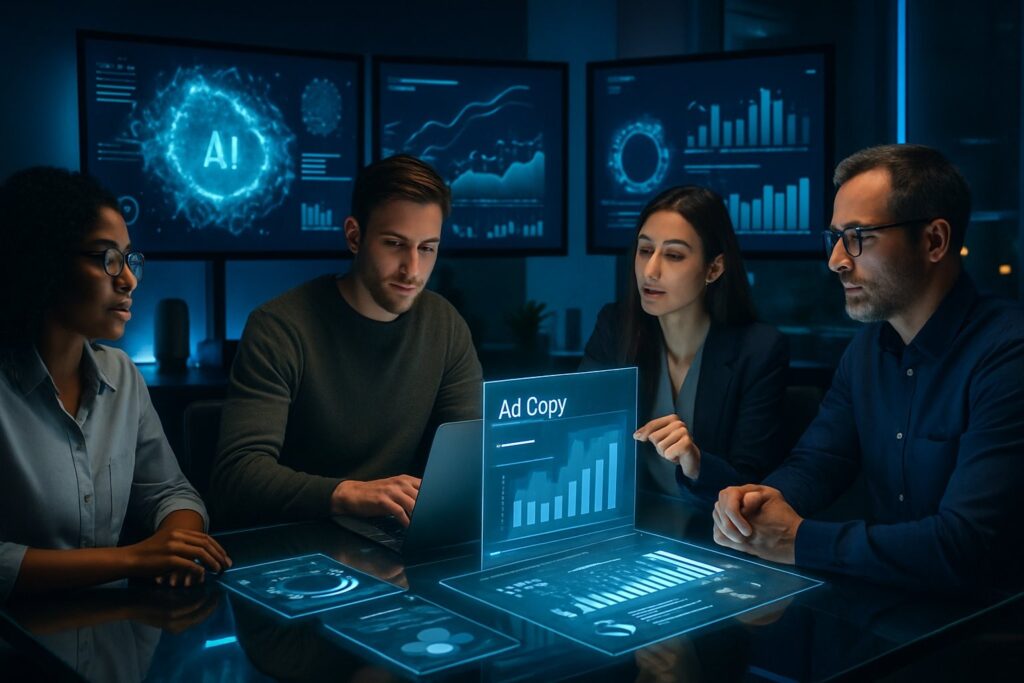
Studies show that AI-optimized ad copy can improve conversion rates by up to 30%compared to traditional manual copywriting methods. The speed advantage is equally impressive, with brands reducing campaign launch time by 65% when using AI tools. This efficiency allows marketing teams to focus on strategy while automated systems handle the heavy lifting of content creation.
The shift from manual to AI-powered ad creation represents more than just a time-saver. AI ad generators can boost conversion rates by 30% and drive click-through rates up to 14 times higher than traditional approaches. As businesses scale their advertising efforts across multiple platforms and audiences, AI tools provide the consistency and personalization that manual processes simply cannot match at volume.
Key Takeaways
- AI ad copy generators can increase conversion rates by up to 30% while reducing campaign creation time by 65%
- These tools analyze audience behavior and past performance data to automatically create personalized ad variations at scale
- The technology has shifted from optional to essential for businesses competing in modern digital advertising
How AI Ad Copy Generators Drive Higher Conversion Rates

AI ad copy generators deliver conversion rate improvements through targeted personalization, continuous optimization testing, intelligent language adaptation, and unlimited production capacity. These systems analyze user data and campaign performance to create messaging that resonates with specific audiences at scale.
Personalization and Audience Targeting
AI ad copy generators analyze user behavior patterns, purchase history, and demographic data to create highly targeted messaging for different audience segments. This goes beyond basic name insertion to adjust tone, benefits, and entire messaging strategies based on where users are in their buying journey.
The technology identifies which emotional triggers work best for specific demographics. For example, urgency-driven language performs 23% better when combined with social proof elements for certain audience types.
Modern AI systems can modify product benefit focus based on individual user preferences. A fitness app might emphasize weight loss benefits to one user while highlighting muscle building features to another.
This level of personalization maintains scalability that human copywriters cannot match. AI content for ads adapts messaging for thousands of user segments simultaneously while keeping brand voice consistent.
Real-Time Variant Testing and Optimization
AI ad copy generators test hundreds of copy variations simultaneously rather than the traditional two-version A/B testing approach. This massive testing capability identifies high-performing combinations that manual testing would never discover.
The systems analyze performance data continuously from active campaigns. They track word choice, sentence structure, emotional sentiment, and call-to-action placement to identify winning patterns.
Predictive performance modeling allows AI to generate new variations with high success probability before testing begins. This reduces the time needed to find optimal copy combinations.
| Testing Method | Variants Tested | Time to Optimization | Typical Improvement |
| Traditional A/B | 2-4 variants | 2-4 weeks | 10-15% |
| AI-Powered | 100+ variants | 1-2 weeks | 20-30% |
Real-time adjustments happen based on immediate performance feedback. If one variant starts underperforming, the AI automatically shifts traffic to better-performing alternatives.
Contextual Language Generation
AI ad copy generators adapt messaging based on external factors like time of day, weather conditions, current events, and platform-specific requirements. This contextual awareness creates more relevant and timely advertising messages.
Different platforms require unique approaches. AI systems excel at adapting messaging to each platform’s environment and audience behavior patterns, whether for Google Ads, Facebook, or LinkedIn.
The technology adjusts language complexity based on the target audience’s education level and industry familiarity. B2B software ads use more technical language while consumer product ads focus on emotional benefits.
Seasonal and trending topics get incorporated automatically. An AI ad copy generator might reference back-to-school shopping in August or holiday gift-giving in December without manual input.
Scalability: High-Volume Ad Creation on Demand
AI ad copy generators remove the bottleneck of manual copy creation that limits campaign expansion. Businesses can scale their advertising efforts rapidly while maintaining or improving performance standards.
The systems produce high-quality, conversion-focused ads at speeds that manual methods cannot match. What takes human copywriters hours or days can be completed in minutes.
Product catalog businesses benefit significantly from this scalability. AI can generate unique, optimized descriptions for thousands of products simultaneously rather than using generic templates.
Campaign expansion becomes cost-effective when AI handles copy creation. Marketing teams can test new keywords, audiences, and platforms without hiring additional copywriters or agencies.
The technology maintains quality consistency across high-volume output. Brand voice guidelines and messaging frameworks ensure all generated content stays on-brand regardless of production volume.
Inside the Technology: How AI Ad Copy Tools Actually Work

AI ad copy generators process user information through machine learning algorithms, transform it using natural language processing, and customize outputs for specific advertising platforms. These systems analyze data patterns to create targeted marketing messages that match brand voice and audience preferences.
User Inputs and Data Analysis
An AI ad copy generator collects specific information from users to create targeted advertisements. Users typically input their product description, target audience demographics, and campaign objectives.
The system also requests brand voice preferences and tone specifications. Many tools ask for competitor examples or existing successful ads to understand the desired style.
Key Input Categories:
- Product Details: Features, benefits, pricing, unique selling points
- Audience Data: Age groups, interests, pain points, buying behaviors
- Campaign Goals: Brand awareness, lead generation, direct sales
- Brand Guidelines: Voice, tone, messaging restrictions
The AI analyzes this data against its training database of successful advertisements. It identifies patterns between similar products and audiences to determine what messaging approaches work best.
Advanced tools also integrate with advertising platforms to pull performance data from previous campaigns. This historical information helps the system understand what copy variations drove the highest conversion rates.
Natural Language Processing and Machine Learning Models
AI-powered ad copy generators use natural language processing to understand context and generate human-like text. The system breaks down language into components like syntax, semantics, and sentiment.
Machine learning models trained on millions of advertisements identify successful patterns and structures. These models learn which phrases, calls-to-action, and emotional triggers perform best for different industries.
Input Processing Flow:
User Data → NLP Analysis → Pattern Recognition → Content Generation → Output Optimization
The technology uses transformer models similar to those powering chatbots and writing assistants. These models understand relationships between words and can maintain context throughout longer pieces of copy.
Core NLP Functions:
- Sentiment analysis to match emotional tone
- Keyword extraction for SEO optimization
- Grammar and readability scoring
- Brand voice consistency checking
The system generates multiple copy variations using different approaches. It might create one version focusing on emotional benefits and another highlighting logical features.
Quality filters ensure the output meets readability standards and avoids potentially problematic language. The AI also checks for trademark issues and compliance with advertising regulations.
Platform-Specific Tailoring for Different Ad Channels
An ad content generator customizes outputs based on specific platform requirements and best practices. Each advertising channel has unique character limits, audience behaviors, and performance factors.
Facebook ads require different messaging than Google search ads because users have different mindsets on each platform. Social media users browse casually while search users actively seek solutions.
The AI adjusts headline length, call-to-action placement, and messaging focus for each channel. Google ads might emphasize immediate solutions while Instagram ads focus on lifestyle benefits.
Platform Optimizations:
- Character limits for headlines and descriptions
- Image-to-text ratios for visual platforms
- Keyword density for search engines
- Audience targeting language preferences
Top AI tools for ad copy generation include templates specifically designed for major advertising platforms. These templates incorporate proven structures and formatting that perform well on each channel.
The system also considers mobile versus desktop viewing patterns. Mobile users prefer shorter, more direct copy while desktop users may engage with longer explanations.
Advanced generators analyze real-time platform performance data to adjust their recommendations. They learn which approaches work best during different times and seasons for each platform.
Choosing the Right AI Platform for Ad Creation
Successful ad copy generation depends on selecting a digital ad creation platform with robust features, seamless integrations, and automated testing capabilities. The right platform should connect with existing marketing tools while providing data-driven optimization features.
Key Features to Evaluate
When evaluating AI ad creative generators, businesses should prioritize platforms that offer comprehensive copy generation capabilities. The most effective tools combine natural language processing with machine learning to create personalized ad content.
Essential features include:
- Multi-format ad generation (text, display, video)
- Brand voice customization
- Audience targeting capabilities
- Performance analytics dashboard
Advanced platforms provide predictive scoring to forecast ad performance before launch. This feature helps marketers identify high-converting variations early in the creative process.
Template libraries save significant time during campaign creation. Look for platforms offering industry-specific templates that align with business objectives and target demographics.
Real-time editing capabilities allow teams to refine generated content instantly. The best digital ad creation platforms include collaborative features that streamline approval workflows.
Integration with Digital Marketing Stacks
Modern AI ad generators work seamlessly with existing marketing technology stacks. Integration capabilities determine how efficiently teams can implement AI-generated content across campaigns.
Critical integration points include:
- CRM systems for audience data
- Social media management platforms
- Email marketing tools
- Analytics and reporting software
API connectivity enables automated data flow between platforms. This reduces manual data entry while ensuring consistent messaging across all marketing channels.
Campaign management integration allows direct publishing to advertising platforms like Google Ads and Facebook Ads Manager. Teams can generate, test, and launch campaigns without switching between multiple tools.
Data synchronization ensures audience insights from CRM systems inform ad personalization. The most effective platforms pull demographic and behavioral data to create targeted messaging automatically.
Workflow Automation and A/B Testing Capabilities
AI ad optimization tools provide automated testing features that continuously improve campaign performance. These capabilities reduce manual testing while maximizing conversion rates through data-driven optimization.
Key automation features:
- Automated variant generation
- Dynamic audience segmentation
- Performance-based budget allocation
- Real-time optimization adjustments
Smart A/B testing creates multiple ad variations simultaneously. The platform tests different headlines, descriptions, and calls-to-action to identify top-performing combinations.
Automated reporting provides insights into which creative elements drive the highest engagement. Teams receive detailed analytics showing performance metrics across different audience segments.
Workflow automation extends beyond testing to include approval processes and publishing schedules. Advanced platforms allow teams to set rules for automatic campaign adjustments based on performance thresholds.
Best Practices for Maximizing Results with AI Ad Copy Generators
Success with AI ad copy generators depends on writing clear prompts, maintaining consistent brand voice, and using data to improve performance. AI ad copy generators work best when marketers combine strategic input with continuous optimization.
Crafting Effective AI Prompts
The quality of AI-generated content directly relates to the specificity and clarity of the prompts used. Marketers should include detailed information about target audience, product benefits, and desired tone when creating prompts.
Essential prompt elements include:
- Target demographic details (age, interests, pain points)
- Product features and unique selling propositions
- Desired emotional response or action
- Character limits for different ad platforms
- Brand voice guidelines and tone preferences
Effective prompts also specify the ad format and platform. A Facebook ad prompt differs significantly from a Google search ad prompt in length, style, and call-to-action placement.
| Platform | Character Limit | Prompt Focus |
| Google Ads Headlines | 30 characters | Keywords, urgency |
| Facebook Primary Text | 125 characters | Emotion, benefits |
| Instagram Stories | Visual-focused | Action-oriented |
Testing multiple prompt variations helps identify which approaches generate the highest-performing ai content for ads. Marketers should save successful prompt templates for future campaigns.
Ensuring Brand Consistency and Voice
AI tools for ad copy generation require clear brand guidelines to maintain consistency across campaigns. Companies must establish specific voice characteristics, approved terminology, and messaging hierarchies before using AI generators.
Brand voice documentation should include tone descriptors, preferred vocabulary, and phrases to avoid. This prevents AI from creating content that contradicts established brand personality or messaging strategies.
Key consistency elements:
- Tone of voice (professional, casual, friendly)
- Brand-specific terminology and jargon
- Compliance requirements and legal disclaimers
- Visual and textual style preferences
Regular brand voice audits ensure AI-generated content aligns with company standards. Marketing teams should review and approve AI outputs before launching campaigns to catch any inconsistencies.
Training team members on brand guidelines helps them provide better AI prompts. When everyone understands the brand voice, they can create more effective inputs for AI generators.
Measuring and Scaling Campaign Success
Data-driven optimization and A/B testing form the foundation of successful AI ad copy campaigns. Marketers must track performance metrics to identify which AI-generated variations drive the highest conversion rates.
Key performance indicators include click-through rates, conversion rates, cost per acquisition, and return on ad spend. These metrics reveal which AI-generated copy resonates most effectively with target audiences.
Performance tracking workflow:
AI Copy Generation → A/B Testing → Performance Analysis → Prompt Refinement → Scaled Implementation
Successful campaigns require continuous testing of new AI-generated variations. Marketers should test headline variations, call-to-action phrases, and emotional appeals to optimize performance over time.
Scaling successful AI copy involves identifying winning patterns and creating systematic approaches for future campaigns. Teams can develop prompt libraries based on high-performing examples and audience segments.
Regular performance reviews help teams understand which ai content for ads generates the best results. This data informs future AI prompting strategies and campaign optimization efforts.
Frequently Asked Questions
AI ad copy generators raise common questions about their effectiveness, implementation, and capabilities. These tools deliver measurable improvements in conversion rates while offering personalization features that traditional methods cannot match.
What are the key advantages of using AI for generating ad copy?
AI ad copy generators analyze massive datasets to create targeted messaging in seconds rather than hours. They can produce hundreds of variations for A/B testing, allowing marketers to identify the most effective content quickly.
These tools maintain consistent brand voice across all campaigns while adapting tone and style for different platforms. AI-powered ad copy generators help businesses reduce campaign launch time by 65% compared to manual copywriting methods.
AI generators work around the clock, eliminating delays caused by human schedules. They also reduce costs by minimizing the need for large copywriting teams while maintaining high-quality output.
How does AI-driven ad content impact conversion rates compared to traditional copywriting?
Studies show that AI-optimized ad copy can improve conversion rates by up to 30% compared to traditional methods. This improvement comes from AI’s ability to analyze real-time data and adjust messaging accordingly.
AI tools identify emotional triggers and power words that drive action more effectively than human intuition alone. They can test multiple versions simultaneously to find the highest-performing combinations.
Most businesses begin seeing performance improvements within 2-4 weeks of implementing AI copywriting tools. Optimal results typically emerge after 6-8 weeks once the AI has sufficient data to identify effective patterns.
In what ways can AI ad copy generators personalize content for different target audiences?
AI analyzes demographics, browsing history, and purchase behavior to create tailored messages for specific audience segments. Each piece of content can be customized based on user preferences and past interactions.
These tools analyze large datasets including search history, demographics, and user feedback to select keywords and phrasing that resonate with specific segments. This allows marketers to deploy more relevant messages in less time.
AI generators can adjust language complexity, cultural references, and messaging tone based on audience characteristics. They also optimize content for different platforms, ensuring each ad speaks directly to its intended viewers.
Turning AI-Generated Copy Into Better Campaign Results
AI ad copy generators can dramatically improve conversion rates, but the real leverage comes from how you manage, approve, and deploy all those variations across your campaigns.
If you want a smoother way to organize creative assets, streamline approvals, and scale winning copy without adding more manual work, AdFuse gives your team the structure to do it efficiently.
You can explore pricing options or sign up here when you’re ready to put AI-powered ad creation into practice.