
The new ad production pipeline is faster, leaner, and powered by AI technology that automates repetitive tasks and scales creative output efficiently. AI ad generators streamline the entire creative workflow, from asset creation to multi-platform formatting, cutting production time from days to hours. This leads to more consistent branding and enables teams to test multiple ad versions rapidly without extra cost.
Creative workflow software now integrates automated testing, using real-time data to refine ads continuously. This allows marketers to make smarter, faster decisions while maintaining full control over their campaigns. As a result, brands can keep up with the demands of today’s fast-paced digital advertising environment without sacrificing quality.
Key Takeaways
- AI-powered workflows dramatically speed up ad production and scale output.
- Automated testing provides data-driven insights for better campaign performance.
- Creative teams can focus on strategy while AI handles repetitive production tasks.
Core Benefits of the AI-Powered Ad Production Pipeline

AI-powered ad production pipelines improve the ad creation process by removing delays, increasing creative volume, and enhancing financial returns. These systems use automation to streamline repetitive tasks, speed up delivery, and drive better ad performance through data-driven decisions.
Eliminating Workflow Bottlenecks with Automation
AI automates tasks like asset versioning, formatting, and creative testing, eliminating manual steps that slow production. This approach reduces errors caused by human handling and aligns different teams by using shared templates and guidelines.
By centralizing work and automating routine tasks, the pipeline removes common delays in creative reviews and asset distribution. Automated feedback loops also connect performance data to creative adjustments, enabling faster, more effective iterations. This efficient process cuts down time previously lost in fragmented workflows without sacrificing quality.
Accelerating Time-to-Market and Creative Output
Using AI, ad production timelines shorten dramatically. The technology generates multiple ad variations for platforms like Meta, TikTok, and YouTube quickly, reducing turnaround from days to hours.
Creative teams can run rapid, data-backed tests by producing many ad versions at once, increasing their ability to find high-performing ads faster. This acceleration fuels more campaigns in less time, helping marketers keep pace with tight schedules and rising content demands.
Boosting ROI, Ad Spend Efficiency, and ROAS Uplift
AI-driven production lowers costs by cutting manual labor and speeding up creative testing cycles. More ad variants and smarter targeting lead to improved ad spend efficiency and higher returns.
Brands see measurable uplifts in ROAS as AI models use past performance to tailor creative elements dynamically. This tighter link between creativity and data reduces waste, allowing marketers to allocate budgets to the best-performing ads and audiences consistently.
| Metric | Before AI Pipeline | With AI Pipeline |
| Variant Production | 20–25 per week | 80–120 per day |
| Turnaround Time | 72–96 hours | 2–4 hours |
| Cost per Variant | High | Reduced by 70% |
| Testing Frequency | Weekly | Daily or intra-day |
Key Components of the Modern AI Ad Generator Workflow

Modern AI ad generators rely on multiple automated processes that rapidly create and optimize advertising content. These processes include generating creative assets, writing ad copy, personalizing messages for target audiences, and using ongoing data to improve performance.
AI Tools for Content Generation and Asset Creation
AI-powered content generation tools produce a wide range of assets such as images, videos, and text. These tools analyze audience data and brand guidelines to create relevant visuals and multimedia quickly. Creative workflow software often integrates these AI tools, allowing marketers to produce many ad variations without manual design work.
This streamlines the creative process, cutting costs and accelerating campaign launches. AI can also suggest styles and formats that perform better on specific platforms. Overall, AI tools ensure content creation keeps pace with marketing demands while maintaining quality and brand consistency.
Automated Ad Copywriting and Visual Production
Automated ad copywriting uses natural language processing to generate text that matches campaign goals, audience preferences, and ad platform requirements. AI analyzes past ad performance to refine wording and tone, helping improve engagement.
Visual production is similarly automated, creating images and videos tailored to ad formats. These AI-powered workflows reduce the time spent on manual editing. Integration with dynamic creative software allows for easy adaptation of visuals based on real-time data, enabling marketers to deploy diverse ad sets consistently.
Personalization and Dynamic Content at Scale
Personalization uses AI algorithms to deliver content tailored to individual user behaviors, preferences, and demographics. Dynamic content updates ads in real time to reflect factors like location, time, and browsing history.
This approach increases relevance and conversions by matching ads closely to audience needs. AI’s ability to scale personalization across many channels and ad formats makes it a crucial feature of modern ad production systems. Effective content personalization boosts both user engagement and return on investment.
Seamless Feedback Loops for Continuous Optimization
A key part of AI-driven workflows is the feedback loop that collects performance data and informs ongoing campaign adjustments. AI analyzes A/B testing results and user interactions in real time.
This allows automated recalibration of ad copy, creative elements, and targeting without manual intervention. By continuously refining campaigns based on data, marketers can improve efficiency and maximize ROI. Feedback loops keep the ad production process dynamic and responsive to audience trends.
| Component | Key Benefit | Example Feature |
| Content Generation Tools | Fast, scalable asset creation | AI-based image/video generation |
| Automated Copywriting | Consistent, data-driven text | NLP-driven ad copy tailored to audience |
| Personalization & Dynamic Content | Highly relevant ads | Real-time content updates based on behavior |
| Feedback Loops | Continuous campaign improvement | AI-powered A/B testing and optimization |
Implementing Automated Creative Testing for Data-Driven Insights
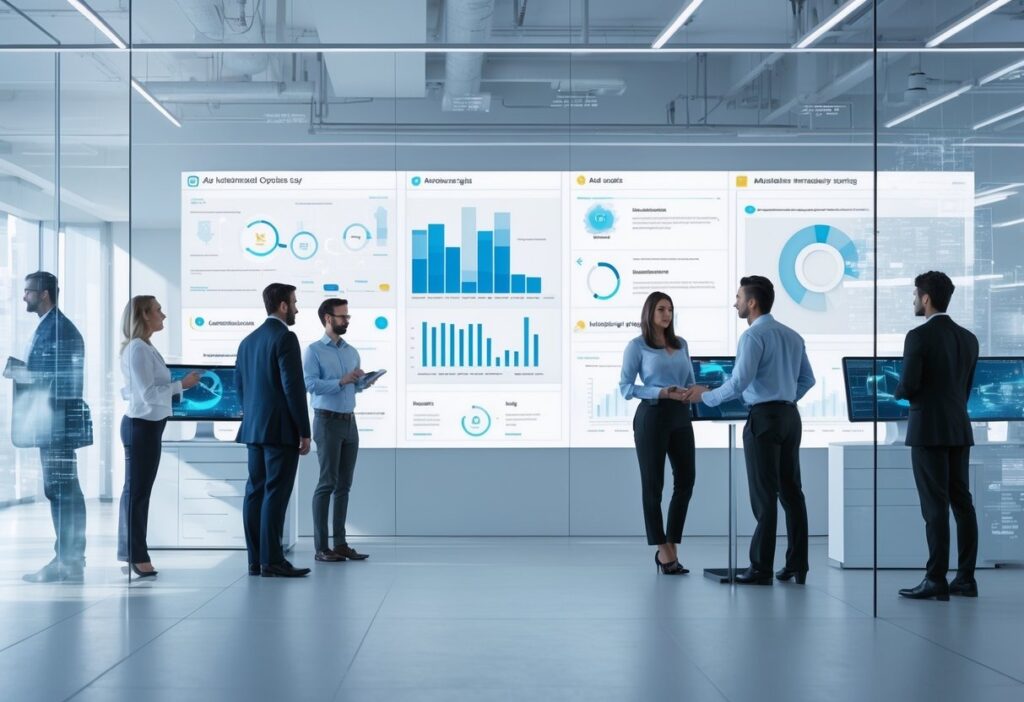
Automated creative testing speeds up ad development and sharpens decision-making by using real data. It helps brands identify top-performing creative elements while fine-tuning targeting to reach specific audiences, improving overall campaign results.
Rapid Iteration and Variation Testing with AI
Automated creative testing uses AI to quickly produce many ad variations. Marketers can test different headlines, images, formats, and calls-to-action at scale without extra manual work. This fast iteration means they discover what resonates with audiences much faster than traditional methods.
AI analyzes data from each variation, tracking clicks, engagement, conversions, and more. It flags winning creatives and drops underperformers early. This approach cuts down testing time from weeks to hours and lets teams optimize ads continuously during campaigns.
A/B Testing and Performance Analytics
A/B testing compares two or more ad versions to see which performs better. Automated tools run these tests simultaneously across diverse segments, gathering detailed data on metrics like click-through rates and sales.
Performance analytics go beyond surface-level data. Algorithms adjust for variables such as time, platform, and audience differences to find statistically significant results. Marketers get clear insights into which creatives drive meaningful engagement, enabling more confident, data-driven decisions.
Precision Targeting and Audience Segmentation
Automated testing platforms use data to tailor ads for specific groups. They segment audiences based on behavior, demographics, and preferences, then test multiple creative variants within each segment.
By combining AI with segmentation, brands optimize ad delivery to match audience interests. This personalized approach increases relevance and response rates while preventing ad fatigue. Targeting adjustments happen in real time as new data flows in, ensuring campaigns stay effective throughout their run.
Learn more about the benefits of automated creative testing
The Evolving Role of Creative Teams in an AI-Driven Pipeline

Creative teams now focus more on higher-level tasks like strategy and quality control while AI handles routine execution. They work closely with AI tools to shape ideas and ensure brand consistency throughout the production process.
From Execution to Strategy and Oversight
Creative professionals have shifted from doing repetitive tasks to guiding overall campaign direction. They define creative goals and oversee AI-generated content to ensure it aligns with brand values.
By focusing on review and strategy, teams maximize the value of AI-powered workflows. This allows for faster production without losing creative control or vision.
Collaboration Between Humans and AI
The process is a partnership where AI handles data analysis, personalization, and initial content drafts. Humans refine, adapt, and inject emotional depth that AI cannot replicate.
Teams benefit from AI’s speed and scalability while maintaining originality. This collaboration increases output quality and enables more innovative solutions within tight deadlines.
Quality Control, Brand Safety, and Governance
Creative teams also manage brand safety by setting strict guidelines for AI use. They verify all content for consistency and compliance with legal and ethical standards.
Oversight ensures AI-generated ads meet quality benchmarks and avoid mistakes. This governance maintains trust and protects the brand’s reputation as production speeds up.
Frequently Asked Questions
Ad production today relies heavily on AI and software to speed up processes, improve creativity, and test effectiveness. These technologies reduce manual work while delivering precise and tailored ad content faster.
How does AI integration streamline ad production workflows?
AI automates routine tasks like content generation, data analysis, and scheduling. It enables rapid creation of multiple ad versions, which saves time and supports quick decision-making.
It also improves collaboration by integrating with project management and analytics tools, keeping workflows transparent and efficient. This helps teams focus more on strategy than on repetitive tasks.
What are the benefits of using creative workflow software for ad generation?
Creative workflow software centralizes tasks such as briefing, asset creation, and approvals. This reduces bottlenecks and improves communication across teams.
It allows seamless integration with AI tools, making it easier to generate and manage diverse creative assets. This leads to higher quality ads produced in less time.
In what ways can automated creative testing improve ad performance?
Automated testing runs real-time experiments on different ad versions to identify what works best. This speeds up A/B testing cycles without extra manual effort.
It provides detailed data on engagement, conversions, and reach. This insight helps advertisers refine their campaigns quickly for better results.
Step Into a More Streamlined, AI-Ready Workflow from Here
Moving to an AI-powered ad production pipeline means cutting down on repetitive tasks and manual handoffs. Teams can quickly generate and test multiple ad creatives, speeding up the decision-making process. This boosts efficiency while keeping creativity flexible and adaptive.
Automated creative testing lets teams see which ads perform best without needing long feedback cycles. Combined with AI ad generators, this approach transforms the creative workflow into a continuous, data-driven process. It reduces the reliance on spreadsheets and scattered messages that slow down campaigns.
| Workflow Stage | Key Benefit | AI Role |
| Creative Brief | Faster input and alignment | Automated content suggestions |
| Ad Generation | Rapid, multi-format creation | AI-powered creative tools |
| Review & Feedback | Streamlined collaboration | Real-time asset commenting |
| Testing & Optimization | Data-led performance improvements | Automated testing and insights |
| Launch & Reporting | Quick deployment and clear results | Integrated workflow management |
Solutions such as streamlined platforms improve collaboration by centralizing reviews and approvals. They reduce delays caused by messy feedback loops and scattered files. This creates a more predictable path from idea to launch.
Marketing teams who adopt these systems can reduce admin work, stay agile, and scale campaigns faster. Tools that integrate well with existing ad systems offer the right balance of control and automation.
For teams looking to get started quickly, efficient tools built for Meta ads enable easier collaboration and faster delivery without relying on disconnected workflows.
Marketing teams and agencies can streamline creative workflows, reduce approval delays, and organize assets in one place. This cuts down manual tasks, allowing faster ad launches with less friction. Sign up now to improve collaboration and speed up campaigns with AdFuse.